

Strengthening Rural Finance for Greener and More Inclusive Food Systems
The Agri-PDB Platform conducted a mission to Mozambique under the EU-funded Investing in Livelihood Resilience and Soil Health in ACP Countries (ILSA) Programme. The mission aimed to: (i) Map the main actors, products and support mechanisms in Mozambique’s agricultural and rural finance ecosystem; (ii) Identify opportunities for coordination with institutional partners and ongoing initiatives; and (iii) Assess financial institutions’ needs and explore potential Platform support through technical assistance, training and peer-to-peer learning.
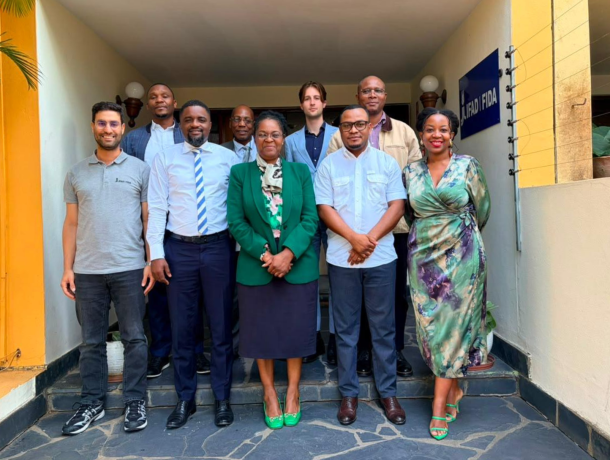
Agri-PDB Platform Mission to Mozambique
Strengthening Rural Finance for Greener and More Inclusive Food Systems
06-09 July 2026 | Maputo, Mozambique
Mozambique’s National Context
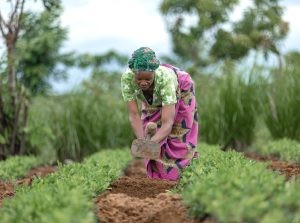
Agriculture’s central role and climate vulnerability: In Mozambique approximately 65% of the population lives in rural areas, and agriculture generates around 80% of average household income and employs nearly 81% of the national labour force. Yet, the sector remains highly vulnerable to extreme weather events, low productivity, and limited access to markets and finance.
Challenges in Rural Finance: Access to finance remains a major constraint. Financial service providers have traditionally been reluctant to operate in rural areas due to high transaction costs, dispersed populations, limited infrastructure and elevated perceived risks, making urban markets more attractive.
Addressing the Development-Finance Gap: Additionally, Mozambique is one of the few countries worldwide without a Public Development Bank. In the absence of such an institution, a central role in promoting rural finance is played by the Umbrella Fund Manager (UFM), a national wholesale financing mechanism that channels resources from the Government and development partners to rural beneficiaries through financial intermediaries. The UFM provides a promising framework for expanding access to finance and supporting agricultural transformation.
Common Challenges and Priorities Across the Financial Ecosystem
Stakeholders consulted during the mission consistently highlighted several structural barriers to rural financial inclusion:
- Inadequate infrastructure;
- Low population density;
- Limited digitalization;
- A shortage of financial services and products tailored to rural clients;
- Insufficient capacity among financial institutions to serve agricultural producers, rural SMEs and community-based financial organizations;
The discussions also revealed a remarkable convergence of priorities. Stakeholders expressed strong capacity-building needs on aspects like:
- Agroecology and sustainable agriculture financing;
- Climate and green finance;
- Risk management and climate resilience;
- Digital transformation of financial services;
- Financing of smallholder farmers, rural SMEs and producer organizations;
- Capacity building and knowledge exchange with peer institutions.
Many institutions also emphasized the increasing impact of climate-related shocks, particularly droughts and floods, on agricultural portfolios and rural livelihoods. As a result, demand is growing for practical tools, taxonomies, financing mechanisms and investment pipelines that can support climate-resilient and environmentally sustainable agriculture.
Building Partnerships for Impact
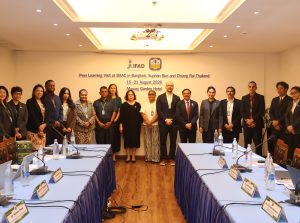
During the mission, the Platform secretariat engaged with a broad range of stakeholders, including public funds, development finance institutions, commercial banks, microfinance institutions, development partners and international organizations. Exchanges with the European Union Delegation, AFD, the Foreign, Commonwealth & Development Office, UNICEF and IFAD demonstrated complementarities between ongoing initiatives and the Platform’s mandate, creating opportunities for stronger coordination and collective action.
The mission confirmed strong interest in the services offered by the Agri-PDB Platform, including technical support, training programmes, peer-to-peer learning and knowledge exchange initiatives. Several institutions expressed interest in participating in forthcoming Platform activities on agroecology and climate finance, while discussions also identified opportunities for collaboration around green finance taxonomies, digitalization, climate risk management and innovative rural finance solutions.
Looking Ahead
The strong alignment of priorities among stakeholders creates opportunities to deliver coordinated capacity-building, knowledge-sharing and technical assistance activities capable of generating broader development impact, therefore adopting an ecosystem-wide approaches that address shared challenges across the rural finance sector
Building on the mission findings, the Agri-PDB Platform will work closely with IFAD, national partners and development stakeholders to operationalize a pipeline of collaborative activities focused on agroecology, climate finance, and institutional strengthening. These efforts will contribute to advancing the objectives of the ILSA Programme while supporting Mozambique’s transition towards more resilient, inclusive and sustainable agrifood systems.
The Agri-PDB Platform thanks all institutions and partners who contributed to the mission and looks forward to continued collaboration in strengthening rural finance and supporting sustainable agricultural development in Mozambique.
Similar articles