

Country mission - Turning livestock evidence into investable action: the Agri-PDB Platform mission to Ghana
Turning livestock evidence into investable action: the Agri-PDB Platform mission to Ghana
8-11 June 2026 | Accra, Ghana
Livestock supports rural livelihoods, nutrition, employment and resilience, yet the sector is often perceived as difficult to finance. In Accra, the Agri-PDB Platform joined a regional workshop focused on two tools that can make livestock investment opportunities more visible, measurable and credible.
The mission combined technical learning with partnership building. Alongside participation in the workshop, the Platform met Ghanaian and international partners to explore green and inclusive agricultural finance under the Food Systems Integrated Programme (FSIP) and the European Union-funded ILSA Programme.
A regional workshop with a practical purpose
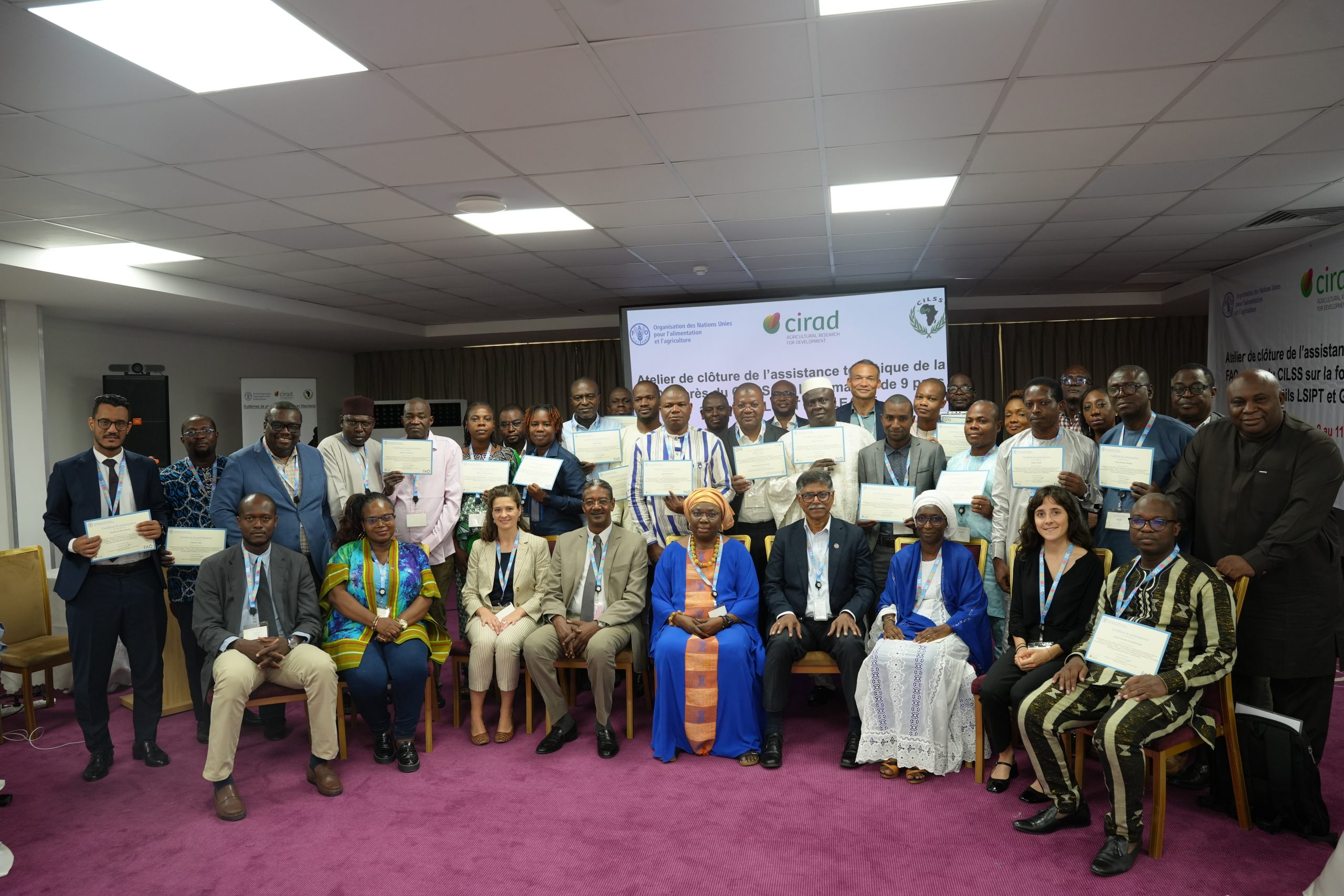
The closing workshop of the FAO technical assistance project on the Livestock Sector Investment and Policy Toolkit (LSIPT) and the Global Livestock Environmental Assessment Model interactive tool (GLEAM-i) brought together more than 40 participants. Government representatives and technical specialists from nine countries joined public development banks and development partners to review investment cases and discuss how the tools could continue to support livestock planning after the project.
The Platform facilitated the participation of BNDA Mali and the Benin Deposit and Consignment Fund. Their involvement brought a financial institution’s perspective to a process that had largely focused on government planning and policy.
Two tools, two complementary roles
LSIPT helps users compare livestock-sector interventions and estimate their potential contributions to production, income, jobs, food and nutrition security, poverty reduction and rural livelihoods. It can strengthen sector strategies, policy dialogue and the case for public or blended investment.
GLEAM-i helps assess greenhouse gas emissions and explore how changes in animal husbandry, feed or manure management could affect environmental performance. For a financial institution, this type of evidence can strengthen environmental analysis and help quantify impacts that are often treated only qualitatively.
The public development banks saw value in both tools, while drawing an important distinction. GLEAM-i was considered closer to immediate operational use for environmental assessment. LSIPT was seen as especially strong for policy, sector strategy and investment prioritization, but it would need further adaptation to support bank-level decisions on profitability, cash flow, risk mitigation and financial sustainability.
Opening new opportunities in Ghana
The mission also created a platform for engagement with ARB Apex Bank, the French Development Agency’s Ghana office and the IFAD Country Office.
ARB Apex Bank’s role in supporting Ghana’s network of rural and community banks makes it a promising channel for reaching smallholders, cooperatives, women, young people and agricultural micro, small and medium-sized enterprises. Potential areas of collaboration include capacity building for rural banks, green agricultural lending and financial products for sustainable value chains.
Under FSIP, discussions focused on cocoa, maize and aquaculture, with a possible parallel assessment of financing gaps in the rice value chain. Under ILSA, partners explored opportunities around agroecology, sustainable production and stronger capacity among rural financial institutions.
The meetings also highlighted the value of coordinating financial diagnostics, policy support, technical training and partner portfolios. Linking these elements can help turn identified financing gaps into scalable instruments, better-prepared investments and stronger rural delivery systems.
From workshop lessons to a regional roadmap
The mission confirmed several priorities for follow-up:
- Work with FAO and technical partners to adapt LSIPT more closely to public development bank needs.
- Create a structured feedback process involving interested banks and relevant departments.
- Introduce the tools to the wider Agri-PDB network through training, webinars and peer learning.
- Explore pilots using future livestock investments and, where feasible, dedicated financing facilities.
- Continue dialogue with ARB Apex Bank on green and inclusive products delivered through rural and community banks.
- Assess agricultural-finance diagnostics and programme synergies with the IFAD Country Office and development partners in Ghana.
- Support wider integration of livestock evidence into national investment planning and financing strategies.
Making livestock finance more visible
The Accra mission reinforced the Platform’s role as a bridge between technical agencies, governments and financial institutions. It also demonstrated why that bridge matters. Technical models can quantify development and environmental impacts; banks bring the financial discipline and delivery channels needed to turn credible ideas into funded investments.
By adapting tools to the realities of public development banks, strengthening institutional capacity and building partnerships in Ghana and across the region, the Agri-PDB Platform can help move livestock finance from broad strategic interest towards measurable, bankable action.