

Agri-PDB Platform at the 2026 Global Research Network Development Banking Research Conference
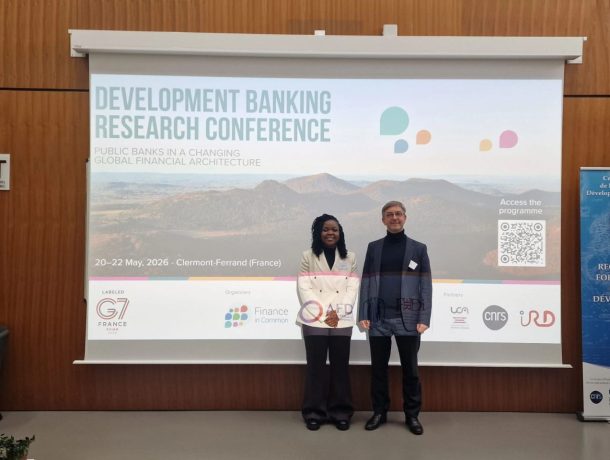
Agri-PDB Platform at the 2026 Global Research Network Development Banking Research Conference
Advancing knowledge generation for resilient agricultural development finance
20–22 May 2026 | Clermont-Ferrand, France
At the 2026 Global Research Network Development Banking Research Conference, the Agri-PDB Platform contributed to global discussions on how Public Development Banks (PDBs) can strengthen development finance systems in the face of climate, economic, and institutional challenges.
Organized by the Global Research Network on Development Banking, Finance in Common, and Agence Française de Développement, the conference brought together researchers, academics, think tanks, development finance institutions, and PDB practitioners to exchange evidence and policy insights on the future of development banking.
The Agri-PDB Platform participated in the conference as part of its broader commitment to knowledge generation, research, and evidence-based policy dialogue. As agricultural and rural PDBs operate in sectors highly exposed to climate shocks, market volatility, and food system pressures, rigorous research is essential to better understand how these institutions can remain resilient while supporting inclusive and sustainable rural transformation.
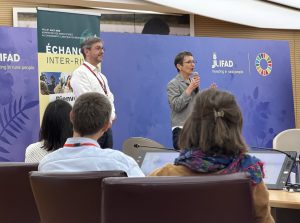
During the Climate and Biodiversity Risk session, Madalitso Chafulumira, Consultant with the Agri-PDB Platform, presented research on “Agricultural Public Development Banks as a Stress-Test for Public Development Banking: Institutional Design, Market Failures, and Climate Risk in Latin America.”
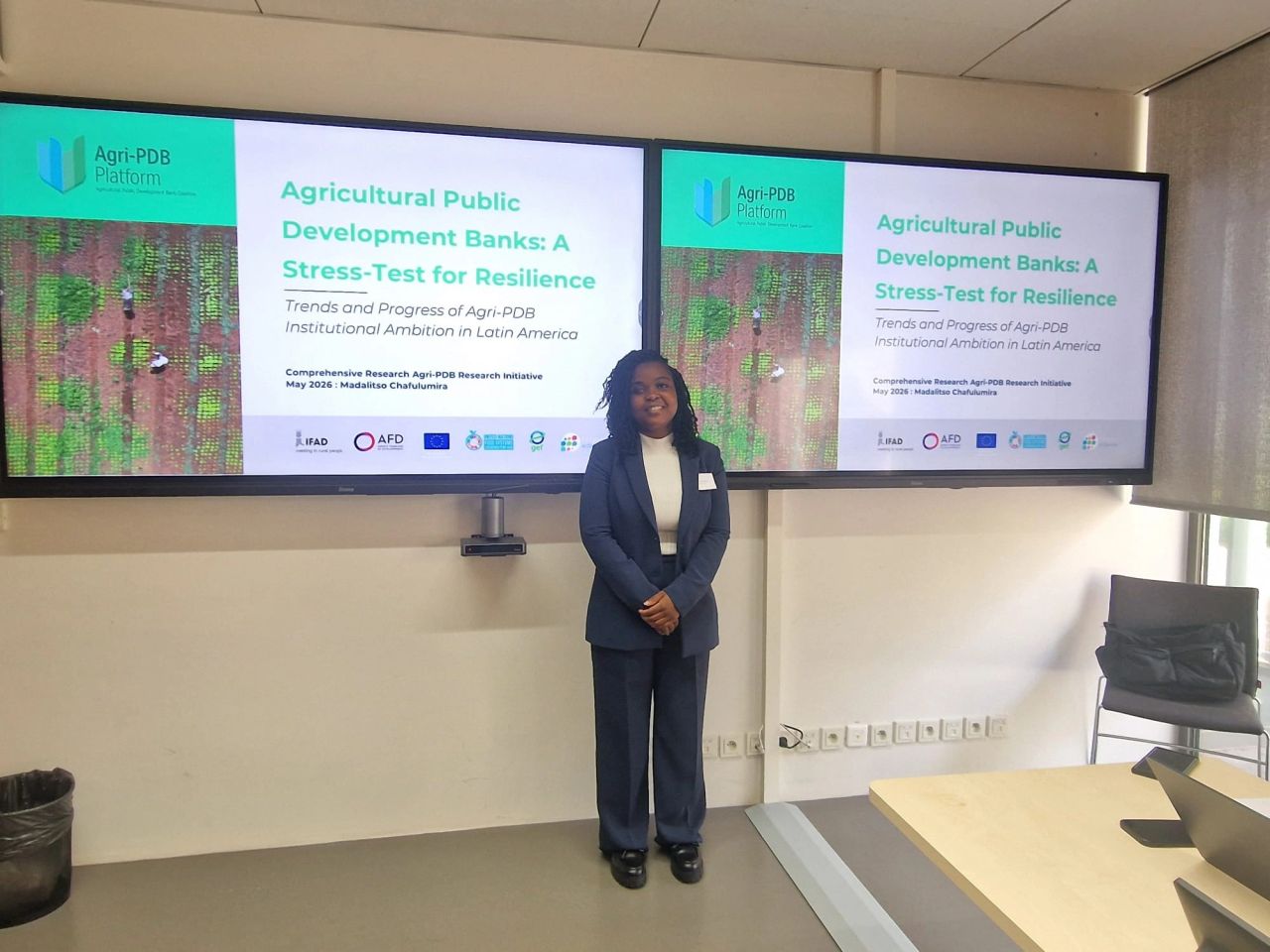
The presentation examined how agricultural PDBs in Latin America respond to climate and macro-financial shocks, and how institutional design, financial performance, and enabling macroeconomic conditions shape their resilience.
Key findings highlighted during the session included the importance of macro-financial stability for agricultural PDB performance, the persistence of profitability over time, and the need to better understand how institutional scale affects resilience. The research also offered comparative insights from different PDB models in the region, showing how agricultural development banks can provide valuable evidence for broader debates on public development banking.
The discussion generated strong interest from researchers and development finance practitioners, particularly on the applicability of the methodology to other regions and the role of agricultural PDBs in climate risk analysis. Participants also emphasized the importance of translating research findings into practical tools, policy briefs, and institutional learning opportunities for PDBs.
Through this engagement, the Agri-PDB Platform further positioned knowledge management as a foundational pillar of its work. By connecting research, policy dialogue, and practitioner experience, the Platform supports Public Development Banks in strengthening their institutional capacity, improving financial inclusion for smallholder farmers, and building resilience against climate and economic shocks.
The conference also reinforced the Platform’s role as a bridge between academic research and operational practice. Its unique network of agricultural and rural PDBs offers an opportunity to generate comparative evidence across countries and regions, helping inform more effective development finance strategies for sustainable food systems.
Looking ahead, the Agri-PDB Platform will continue to support evidence-based dialogue, knowledge sharing, and applied research on agricultural development finance. Through collaboration with research institutions, development partners, and PDB members, the Platform aims to strengthen the role of agricultural PDBs as key actors in building greener, more inclusive, and more resilient food systems.
Similar articles