

MAIIC and NABARD deepen peer learning on financing agroecological transitions in Malawi
A four-day exchange facilitated by the Agri-PDB Platform connected NABARD’s experience in community-driven rural development with Malawi’s agricultural and financing priorities. Institutional discussions and enterprise visits explored how MAIIC can support soil restoration, diversified production and inclusive rural livelihoods.
MAIIC and NABARD deepen peer learning on financing agroecological transitions in Malawi
5–8 October 2026 | Lilongwe and Bunda, Malawi
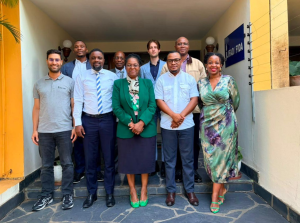
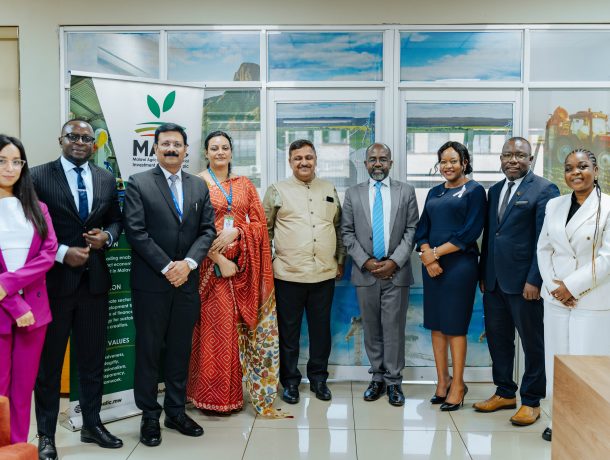
The Malawi Agricultural and Industrial Investment Corporation (MAIIC) hosted a delegation from India’s National Bank for Agriculture and Rural Development (NABARD) for a peer-learning exchange under the theme “Strengthening Agroecological Transitions through Public Development Banks”. Organised by the Agri-PDB Platform, hosted by the International Fund for Agricultural Development (IFAD), the visit formed part of the Platform’s Peer-to-Peer Exchange Programme and was financed under the EU-supported ILSA programme.
The exchange marked the second phase of the collaboration, following MAIIC’s visit to India in November 2025. That first visit introduced NABARD’s approaches to natural farming, soil health, women’s economic empowerment and community-managed natural resources. The Malawi visit examined how relevant lessons could be adapted to local farming systems, enterprise models and financing needs.
Connecting institutional experience with Malawi’s priorities
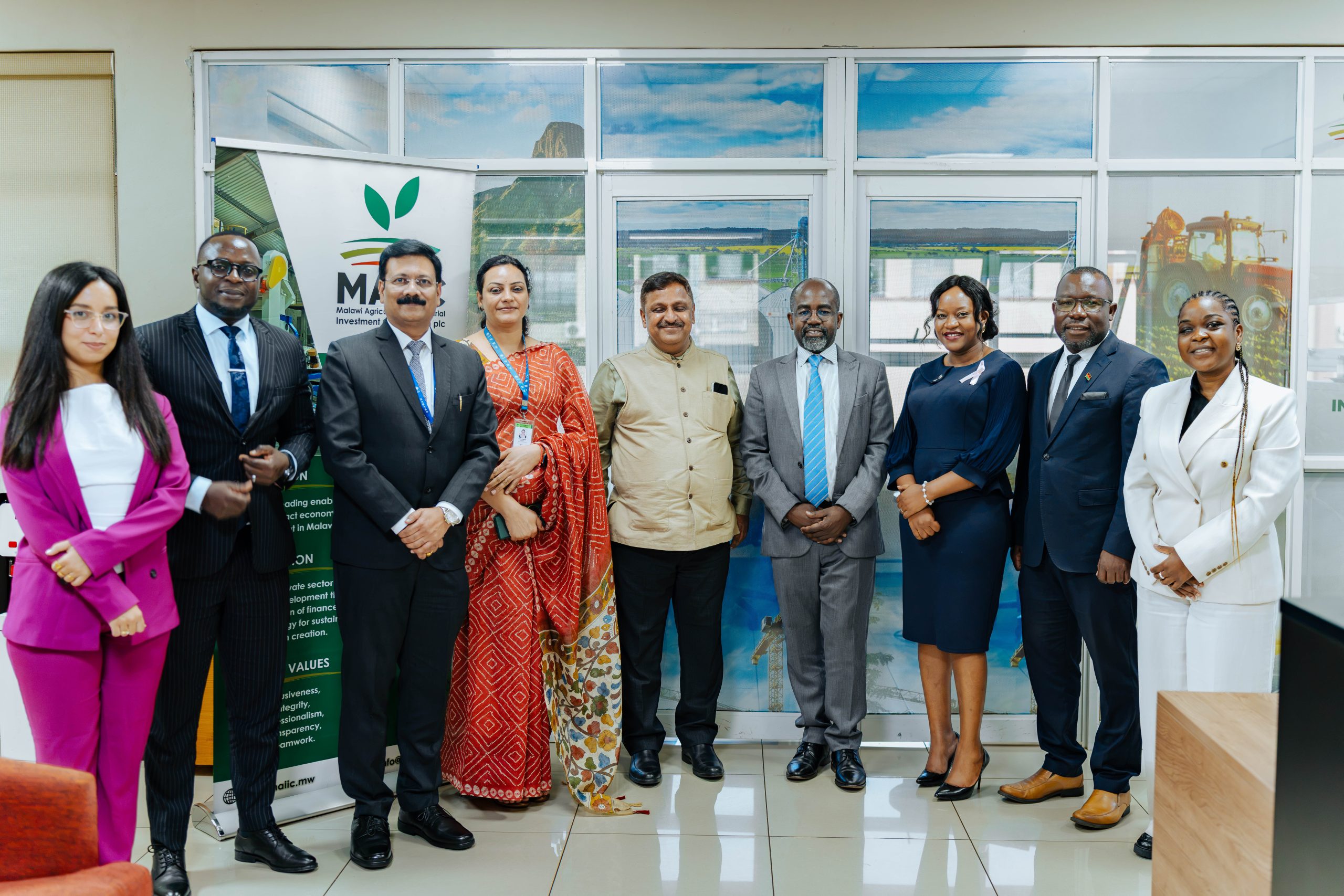
The opening sessions at MAIIC headquarters brought together MAIIC, NABARD, the IFAD Malawi Country Office and the Agri-PDB Platform. MAIIC presented its mandate and investment approach, situating agroecological transition within Malawi’s agricultural and development priorities. Discussions considered how maize dependence, input subsidies, land tenure and market access influence farmers’ ability to diversify production and restore soils.
NABARD revisited its JIVA programme, explaining how landscape diagnosis, community mobilisation and farmer experimentation can inform the sequencing of financial support. Participants explored which elements of self-help groups, farmer producer organisations, seed banks and bio-resource centres could be adapted in Malawi to strengthen collective action and access to services.
The financing discussions focused on the practical demands of transition. Changes in production practices can involve additional labour, upfront costs and delayed returns, requiring careful consideration of loan tenors, grace periods and seasonal repayment schedules. Participants also examined which activities could generate sufficient revenue to repay investment finance and which would need grants or technical assistance.
Women’s economic empowerment and nutrition-sensitive agriculture were central to these discussions. Beyond participation in activities, the exchange considered women’s access to land, finance and advisory services, their control over income, and how these dimensions could be reflected in monitoring.
Field visits exploring local pathways to transition
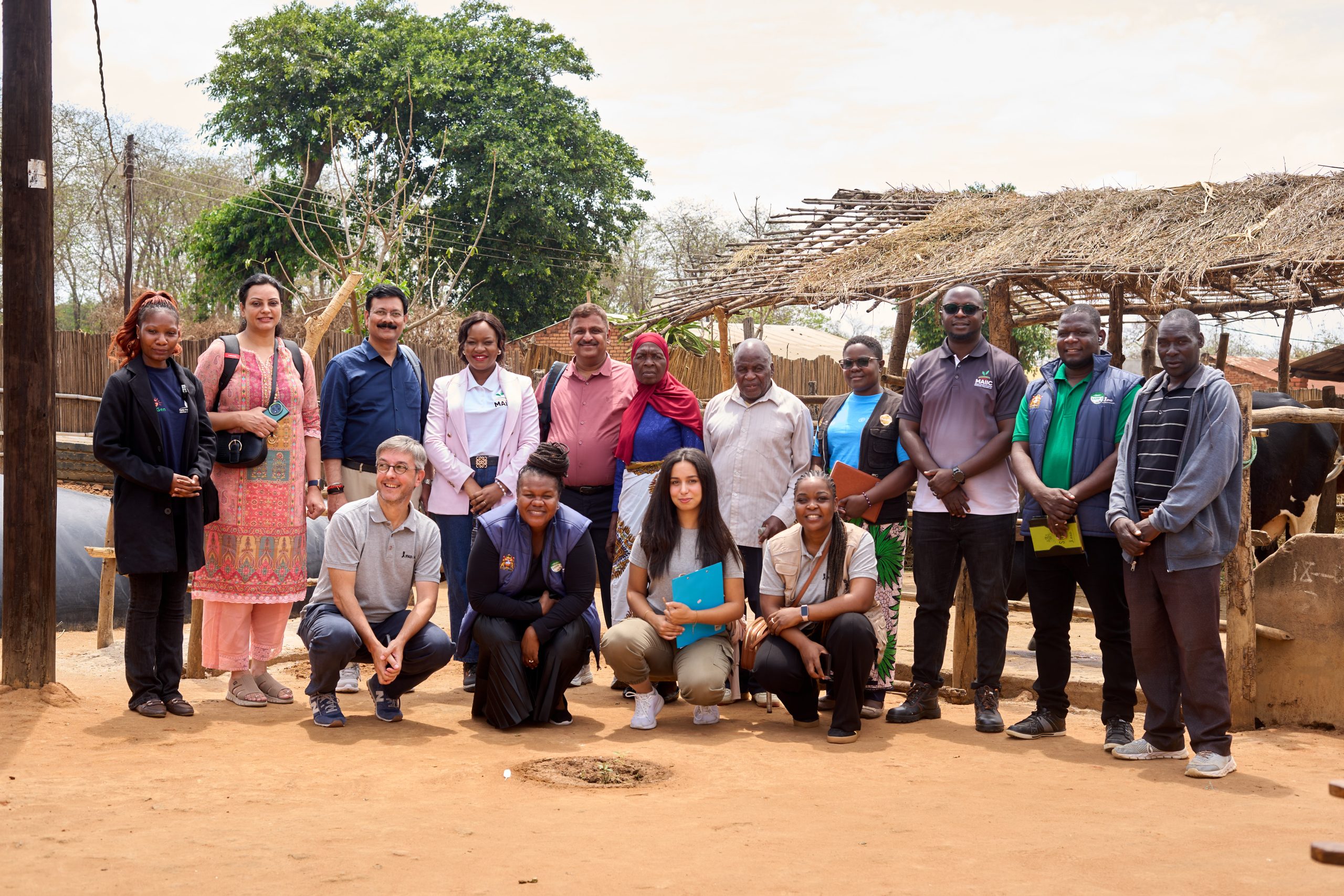
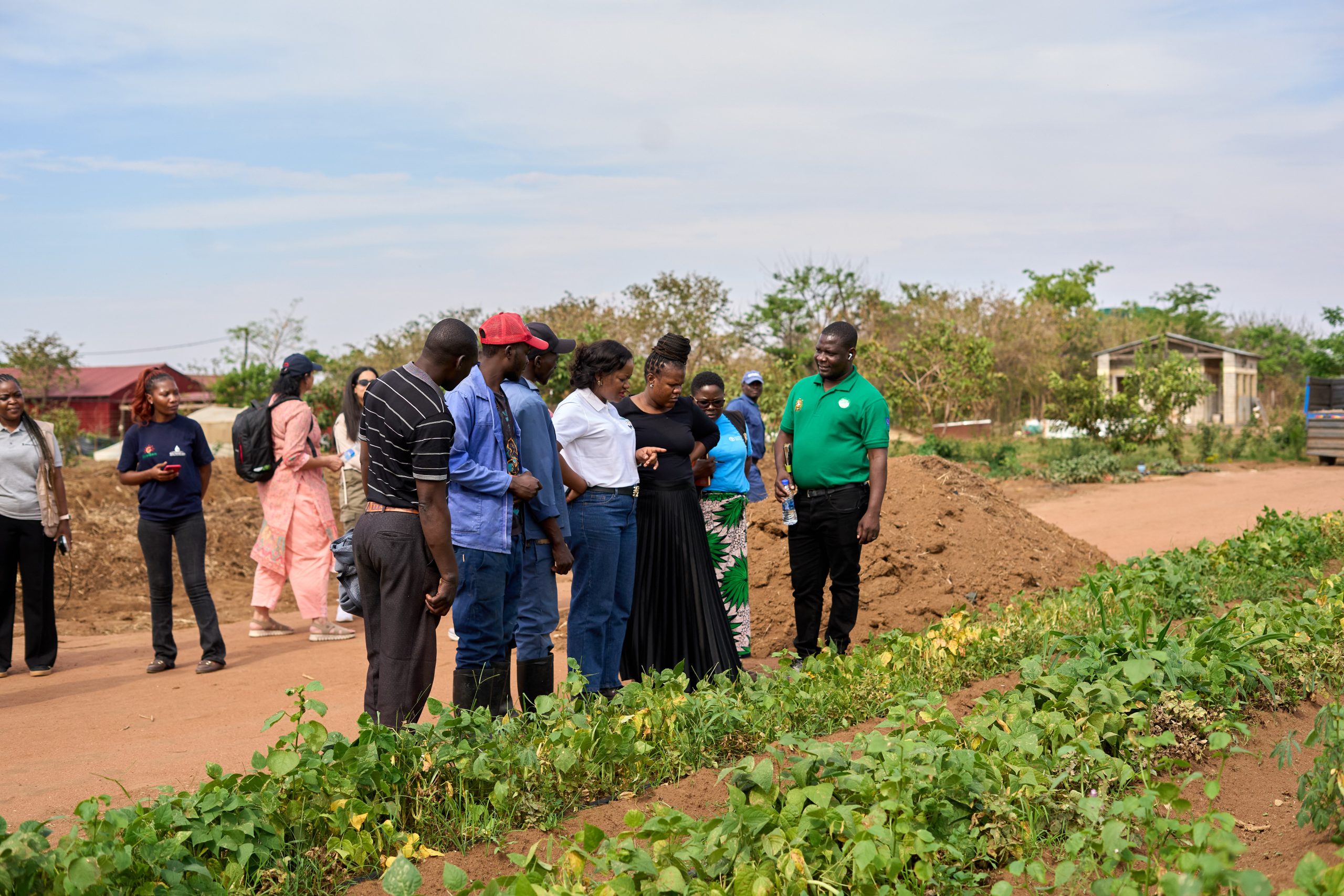
Two days of field consultations connected the institutional discussions with enterprises working on nutrient recycling, renewable energy, regenerative farming and horticulture.
EcoGen linking nutrient recycling with youth enterprise
Visits to three EcoGen sites introduced a youth-led initiative combining waste-to-biofertilizer production with entrepreneurship support, skills training and tailored financing for young people. Seeing the model across different locations and stages of implementation enabled participants to examine both its agricultural contribution and the conditions needed for viable enterprises.
Discussions covered feedstock sourcing, treatment processes, product quality and crop response, alongside equipment costs, maintenance and the sharing of performance risks. The model illustrated how nutrient recycling could support soil management and reduce reliance on imported mineral fertilizer while creating opportunities for young entrepreneurs. For development financiers, it also raised questions about the evidence needed to assess product performance and structure finance around enterprise revenues.
Green Impact Technologies connecting energy services with seasonal finance
At Green Impact Technologies, the delegation explored solar water pumps, refrigeration and other energy services, alongside biogas, organic fertilizer and farmer support. Flexible pay-as-you-go arrangements provided a basis for discussing how smallholders can access productive equipment through repayment models suited to their income patterns.
Participants examined how irrigation and cold storage could support crop diversification and reduce post-harvest losses, and how repayment terms could be aligned with seasonal farm earnings. The discussions also emphasised the need to assess water availability before installing solar pumps. Linking affordable energy with water stewardship, appropriate crop choices and farm advice was identified as essential to ensuring that investment supports sustainable production.
JAT AgroClimate examining diversification and resilient livelihoods
In Bunda, JAT AgroClimate presented its work on regenerative agriculture, agroforestry and climate-resilient value chains, including sustainable mushroom farming with smallholders. Discussions explored how farming practices need to reflect local soils, land availability and household priorities, as well as the labour, production costs and market risks associated with new activities.
The visit also addressed opportunities for women and young farmers and the requirements for carbon-market readiness, including land tenure, consent, baselines, verification and benefit-sharing. A key financing lesson was that agroforestry and diversification investments need a sound business case based on their productive and livelihood benefits. Potential carbon revenues should complement that foundation when assessing investment viability.
Hortinet combining planting material with training and market access
At Hortinet in Lilongwe, the delegation visited a horticultural enterprise producing high-value crops and tissue-culture plantlets while training smallholders in organic agronomy, conservation agriculture and sustainable irrigation. The visit explored how healthy planting material is produced and adapted to local conditions, and how farmers receive support on soil care and water efficiency.
Discussions also examined aggregation, processing and market arrangements, including their implications for farmer prices and payment terms. Hortinet illustrated the value of linking inputs and technical knowledge with reliable commercial opportunities. For MAIIC, the establishment period of horticultural crops highlighted a specific financing consideration: farmers need terms that account for the time between investment and the first harvest.
Translating field experience into financing priorities
The closing session on 8 October brought together lessons from the institutional dialogue and field visits. Participants identified recurring constraints around affordability, labour, extension services, market access, maintenance and collective governance, and considered which opportunities best matched MAIIC’s mandate and smallholder priorities.
Across the visits, a common lesson emerged: financing agroecological transition requires attention to the services and relationships that make investments viable. Technical advice, functioning markets, appropriate technology and strong farmer organisations all influence whether farmers and enterprises can adopt new practices and sustain returns.
Participants discussed how investment finance, guarantees, grants and technical assistance could be combined according to the needs of different activities. They also considered eligibility conditions, safeguards and a manageable set of indicators covering ecological performance, net income, inclusion and repayment.
Proposed next steps with the Agri-PDB Platform
Follow-up priorities identified in the mission report include:
- Developing an investment pipeline: Identifying two to three opportunities for feasibility review, potentially covering biofertilizer enterprises, productive-use energy, horticulture or agroforestry.
- Adapting financial products: Continuing technical exchanges on loan tenors, grace periods, seasonal repayments, collateral alternatives and guarantees, alongside appropriate grant and advisory support.
- Strengthening inclusion and monitoring: Exploring community institutions suited to Malawi and developing practical indicators that capture ecological outcomes, income and women’s and young people’s access to resources.
- Maintaining peer cooperation: Continuing technical exchanges with NABARD and undertaking a six-month follow-up to assess how the learning has informed MAIIC’s approach.
MAIIC’s role as Portfolio Manager of the Blended Rural Financing Facility under the IFAD-supported FARMSE programme provides a potential channel for eligible investments. Further feasibility work and institutional decisions will determine which opportunities can progress.
Alongside the exchange, meetings on 8–9 October with the EU Delegation, Malawi’s Ministry of Finance, UNDP and ILO explored national priorities and potential complementarities with partner programmes. These discussions provided a wider context for continued cooperation on agricultural and rural finance.
Similar articles