

FDB and BAAC Peer-to-Peer Learning: Lessons from Thailand on Financing Agroecological Transition
Explore lessons from FDB and BAAC’s peer-learning exchange in Thailand on financing agroecological transition. The visit highlighted how agricultural lending, technical advice, farmer organisation, technology and market access can work together to support more sustainable production and resilient rural livelihoods.
FDB and BAAC Peer-to-Peer Learning: Lessons from Thailand on Financing Agroecological Transition
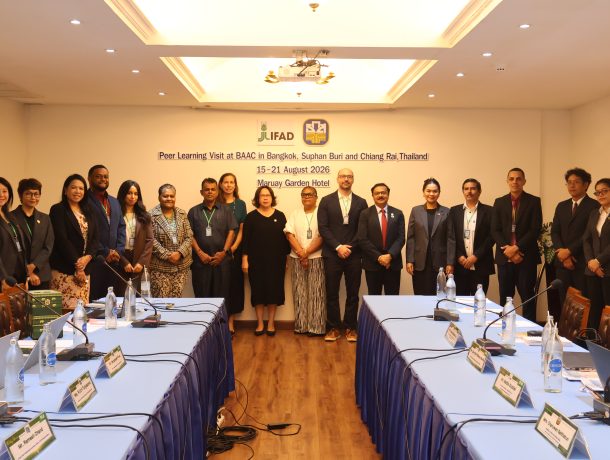
15–21 August 2026 | Thailand
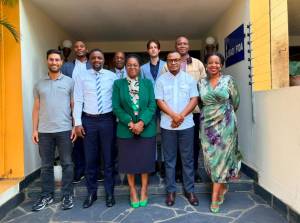
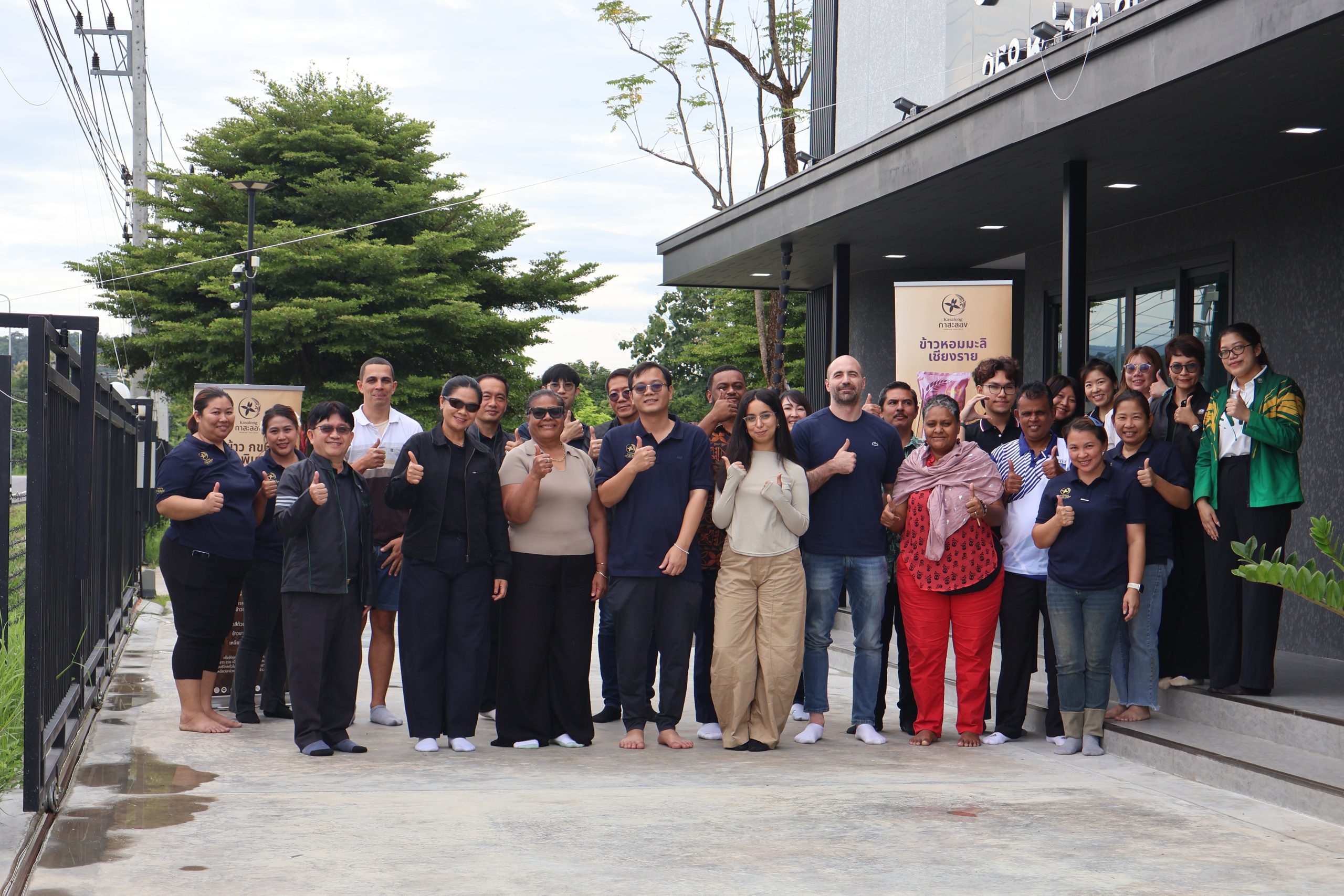
The Fiji Development Bank (FDB) joined Thailand’s Bank for Agriculture and Agricultural Cooperatives (BAAC) for a peer-learning exchange on financing agroecological transition. Institutional discussions in Bangkok and field visits in Suphan Buri and Chiang Rai explored how banks can help farmers adopt more sustainable practices while keeping their businesses viable. This peer exchange event was organized by Agri-PDB Platform, in collaboration with the International Fund for Agricultural Development (IFAD) and the Asia-Pacific Rural and Agricultural Credit Association (APRACA). It was financed under the European Union-supported Investing in Livelihood Resilience and Soil Health (ILSA) programme.
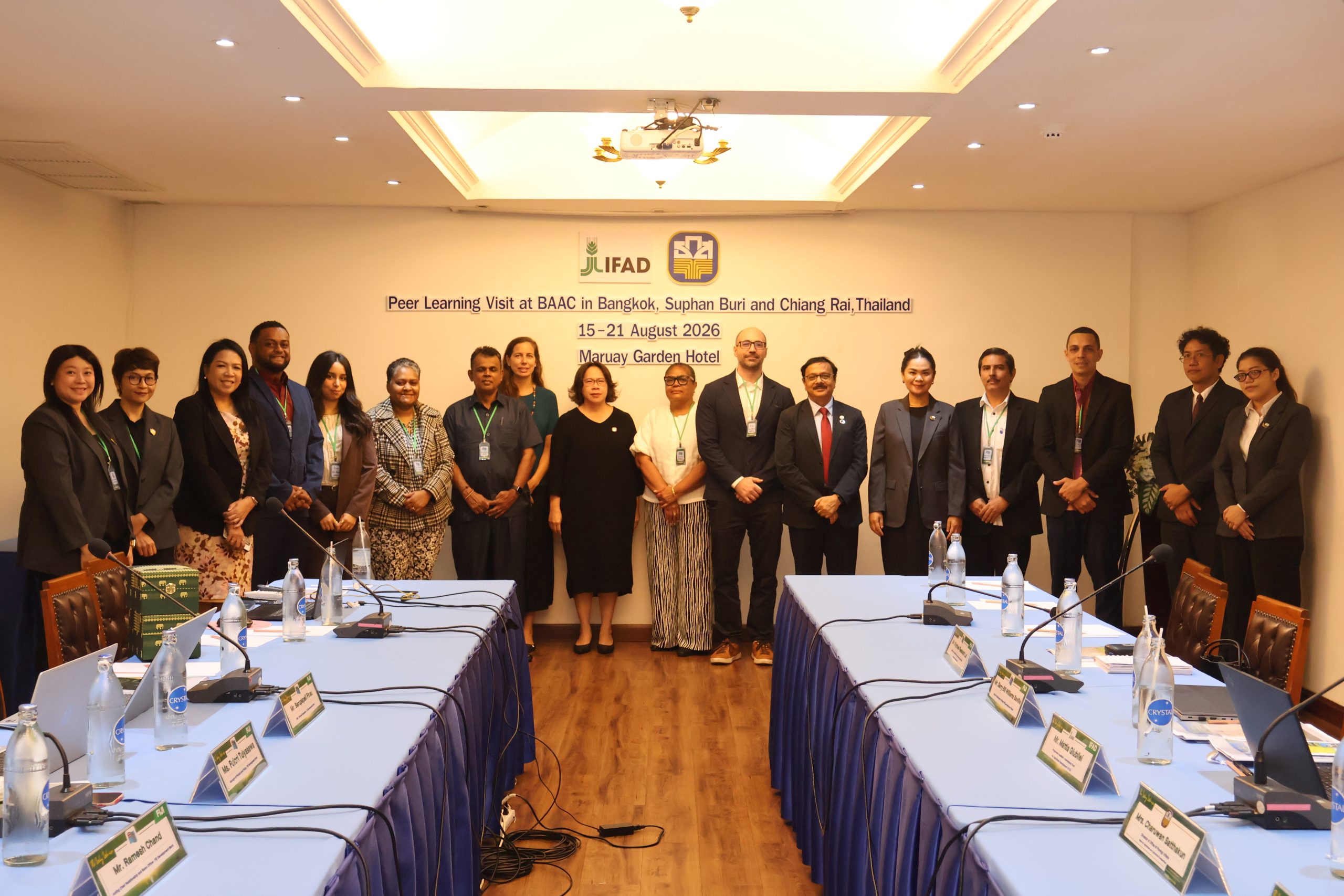
The exchange also marked an important step in strengthening the Platform’s connections with public development banks in the Pacific. FDB’s engagement provides an entry point for wider participation from a region where geographical dispersion and time-zone differences can make regular international exchanges challenging. Bringing together banks from Fiji and Thailand demonstrated the value of targeted, demand-driven peer learning in connecting Pacific and Asian agricultural-finance experience. Cooperation with APRACA also offers a regional channel for continued dialogue and technical connections, helping the Platform build relationships through practical exchanges relevant to banks’ priorities.
Connecting finance, farmer support and markets
BAAC’s “credit-plus” approach combines lending with technical advice, financial and digital literacy, peer learning and value-chain support, placing finance within the wider network farmers need to change production practices. Groups and cooperatives make these connections more accessible: they enable farmers to share machinery, exchange knowledge, aggregate production and strengthen bargaining power, while access to storage, milling and processing opens further opportunities. Collective arrangements can also spread technology and certification costs and support peer monitoring. Partnerships with technical agencies and market actors connect these shared resources with specialised advice and buyers, reinforcing the value of lending through support that accompanies farmers during implementation.
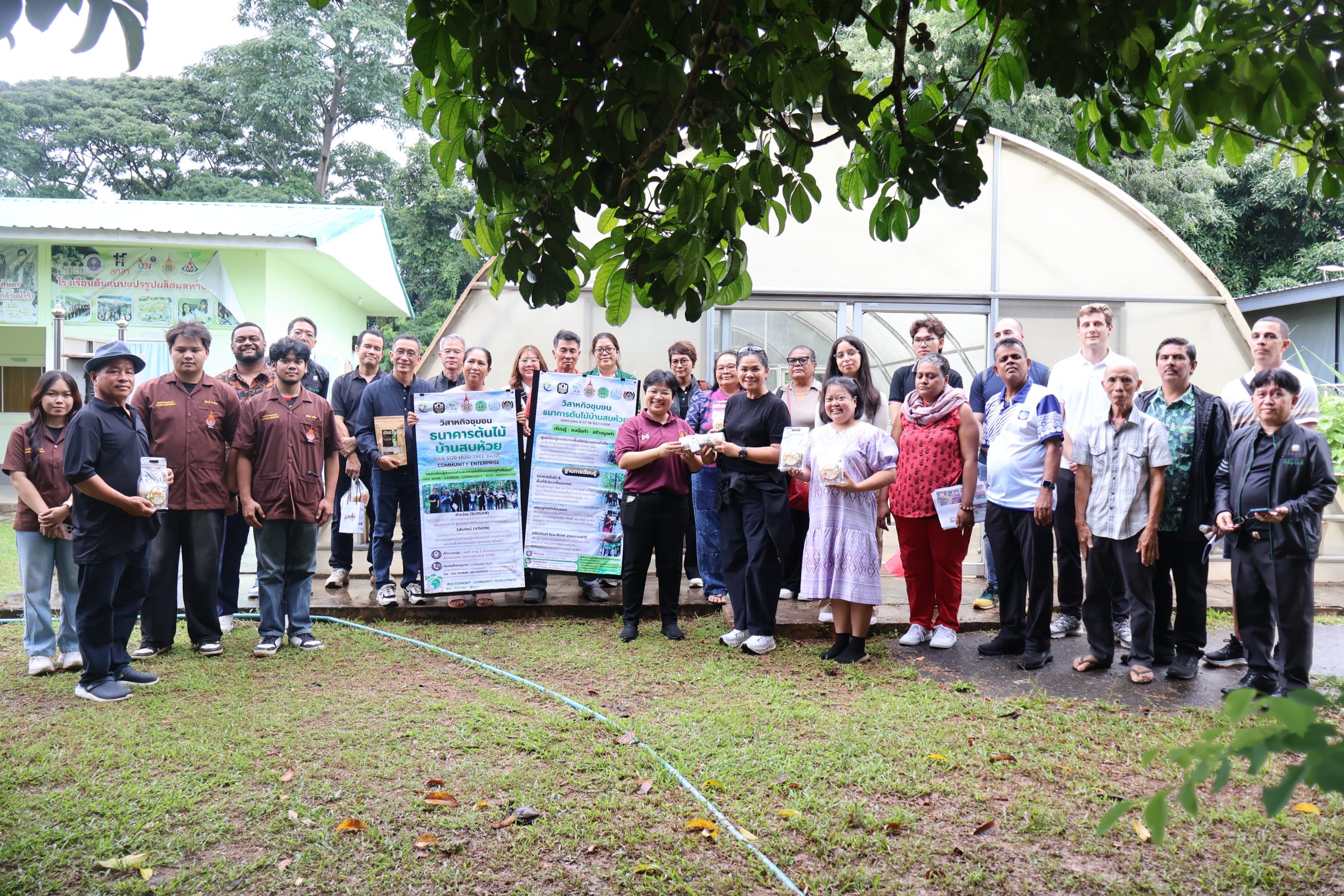
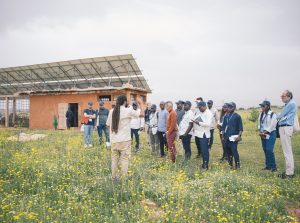
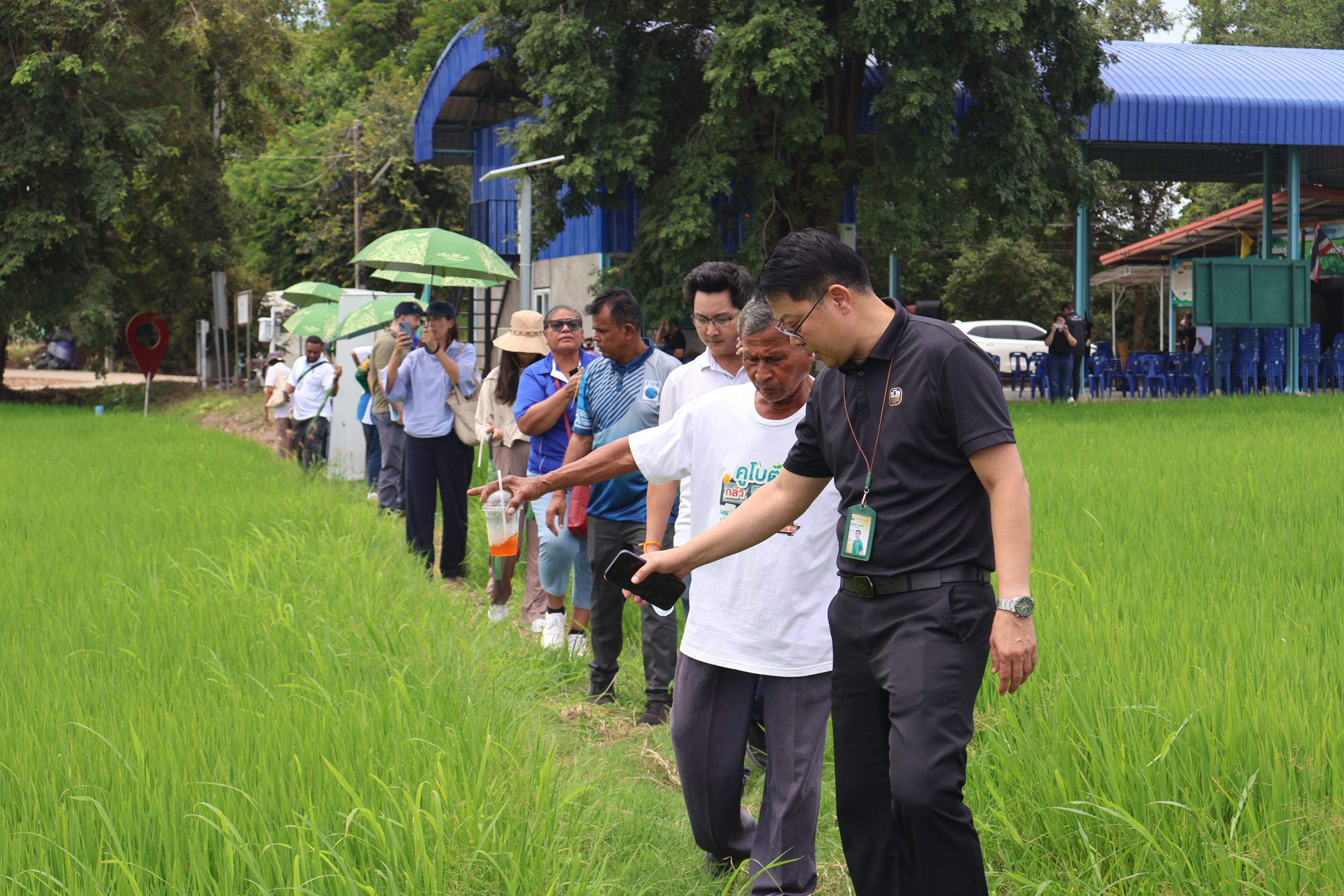
The field visits brought this approach into focus. In Suphan Buri, the Green Climate Fund (GCF)-supported Thai Rice programme demonstrated laser land levelling, alternate wetting and drying, site-specific nutrient management, and straw and stubble management. These practices can improve water and nutrient efficiency and reduce residue burning, supporting wider agroecological objectives when combined within locally appropriate production systems. Their adoption depends on farmers understanding the costs and economic benefits: demonstrations and learning from trusted peers helped address hesitation, shared machinery reduced individual investment needs, and reliable buyers and, in some cases, low-carbon production premiums strengthened incentives. Discussions in Chiang Rai with BAAC and Deutsche Gesellschaft für Internationale Zusammenarbeit (GIZ) GmbH further illustrated how training, initial incentives and concessional finance can help farmers put new practices into use.
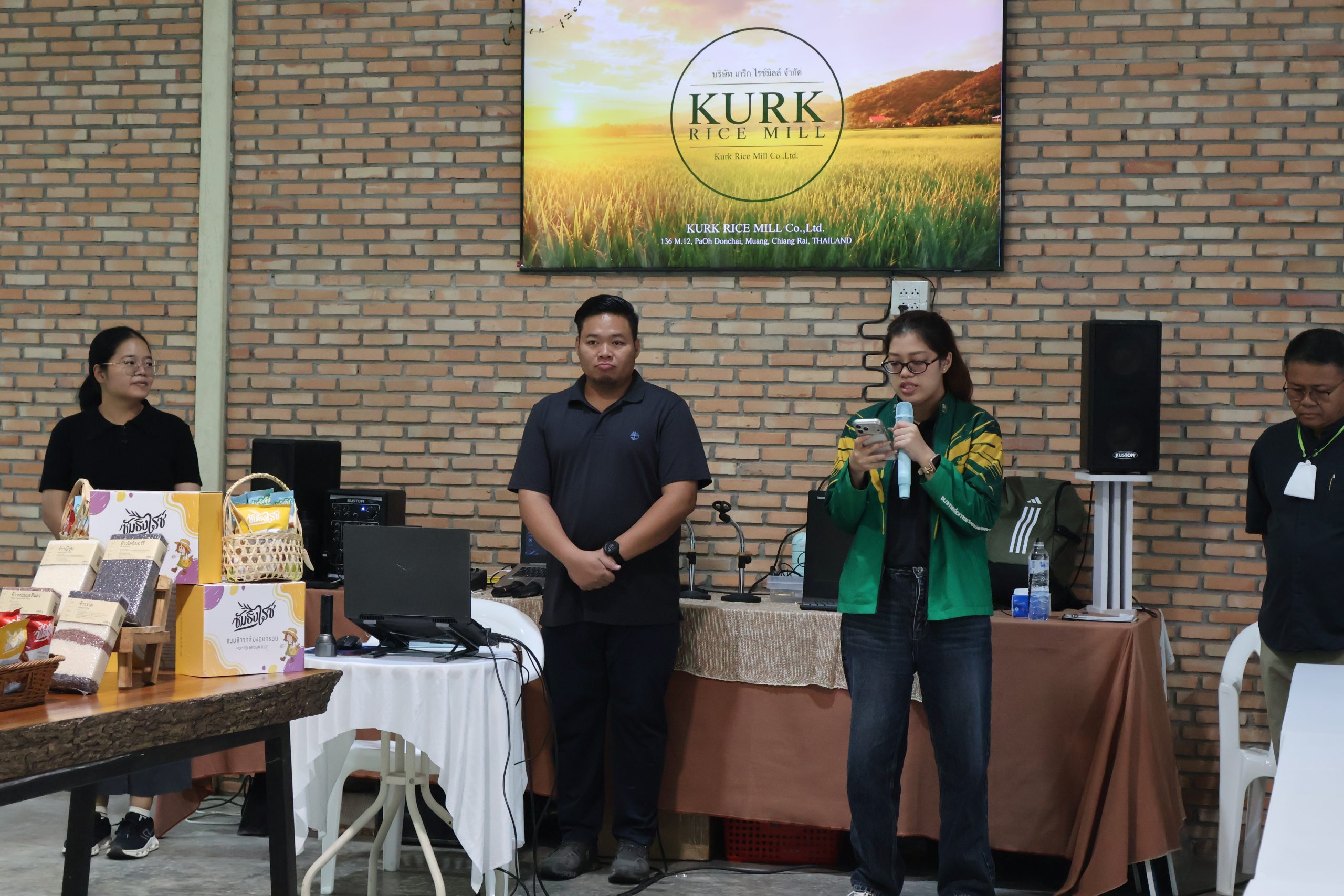
Market relationships were equally important at Kurk Rice Mill, where seed selection, contract farming, cultivation advice and processing were coordinated around demand. Farmers received technical support alongside an agreed price, while planned production volumes helped the processor manage supply and quality. When problems arose, diagnosis and corrective advice formed part of the response, showing why support needs to continue beyond loan approval. The mill’s use of rice and milling by-products in food, oil, cosmetics and other products, alongside a banana value-chain example, also connected commercial opportunities with more efficient resource use. Processing, branding and technology offered routes to additional value and ways to make agricultural businesses more attractive to young people.
Building finance around the transition process
BAAC’s Bio-Circular-Green (BCG) model and green-bond experience showed how these activities need to be supported by an institutional framework: eligible investments, clear criteria, reliable data, field verification, impact reporting and external assurance. Monitoring, reporting and verification (MRV) connects environmental objectives with project delivery, but green-finance design also needs to consider how farmers reach the required standards in the first place. Where eligibility or certification thresholds apply, farmers may need finance for the gradual changes that allow them to qualify. Lending pathways, blended finance and concessional support can help cover early investment and technical assistance, linking the requirements of green-finance instruments with the practical costs of adoption.
BAAC’s Tree Bank approach extended this discussion to agroforestry, where productive output and diversified income can be combined with biodiversity, carbon sequestration and other ecosystem services. Financial opportunities around tree-based systems require attention to valuation, ownership and resource rights, monitoring costs and benefit-sharing. Alongside the rice and processing examples, this reinforced the exchange’s central lesson: agroecological transition depends on how finance, knowledge, technology, farmer organisation and markets work together. Public development banks can connect these elements through partnerships, lending that supports the transition process, and data systems that make progress credible. Peer learning gives them practical experience to draw on as they develop approaches suited to their own agricultural systems.
Key takeaways
- The exchange highlighted three practical priorities for public development banks:
- Connect lending with advice, farmer organisation and trusted delivery partners.
- Use market demand and processing opportunities to guide production finance.
- Finance the transition process while strengthening the data and institutional capacity needed for credible green products.
Across the examples, agroecological transition depended on how finance, knowledge, technology, farmer organisation and markets worked together. Targeted peer learning gives banks practical experience to draw on as they develop approaches suited to their own agricultural systems.
Similar articles