

Country mission - Helping agricultural finance keep pace with Senegal's agroecological transition
Helping agricultural finance keep pace with Senegal’s agroecological transition
9-11 April 2025 | Dakar, Senegal
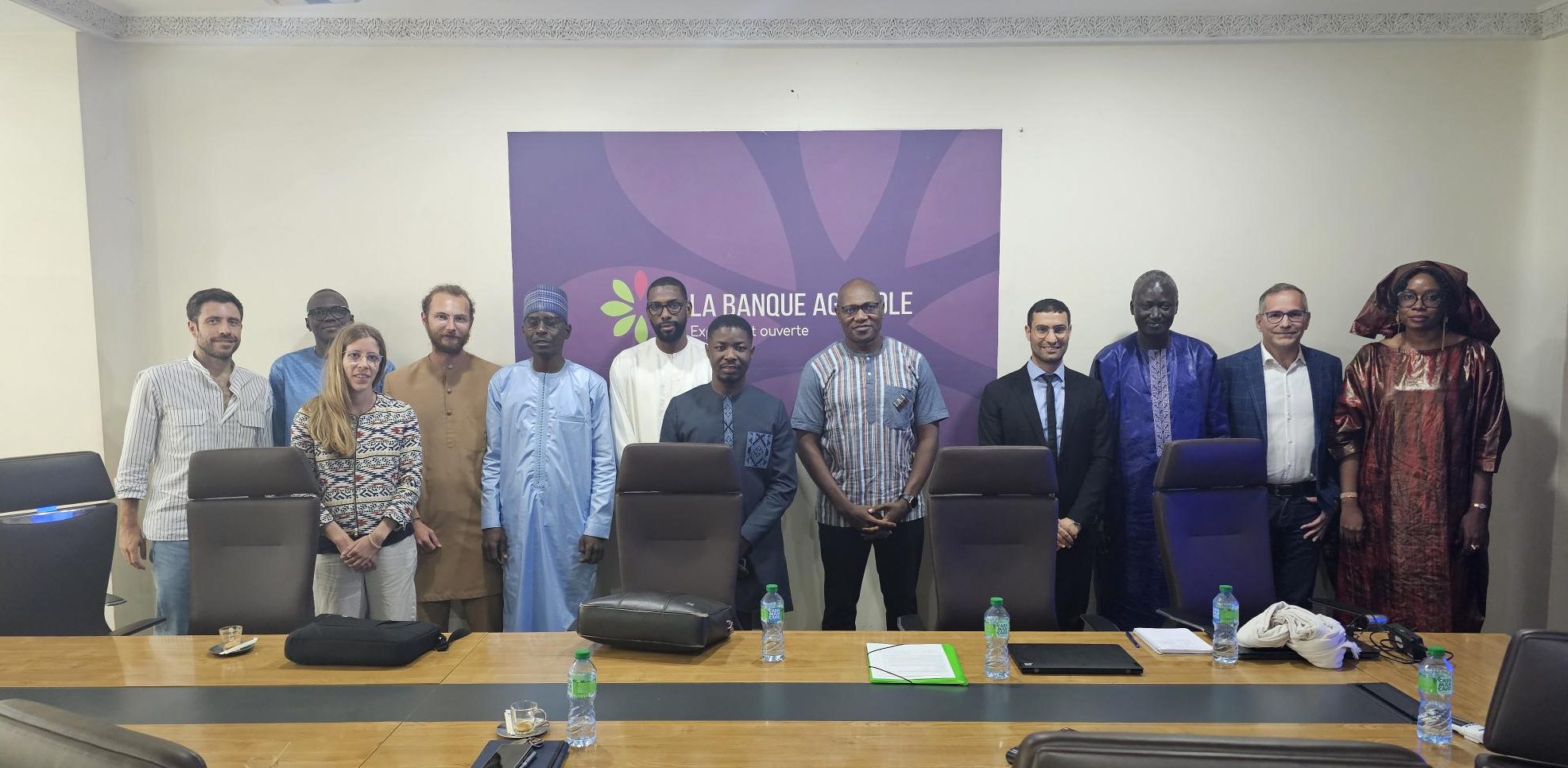
The Agri-PDB Platform visited Dakar to support La Banque Agricole (LBA) in strengthening its capacity to finance Senegal’s agroecological transition. Conducted under the European Union-funded Investing in Livelihood Resilience and Soil Health in ACP Countries (ILSA) Programme, the mission focused on a practical question: how can an agricultural bank make its credit processes faster, more reliable and better aligned with environmental, social and climate objectives?
Meetings with LBA, the IFAD Country Office, the French Development Agency and the International Labour Organization highlighted clear opportunities to connect digitalization, green finance, impact measurement and staff development. The discussions will inform an operational action plan adapted to LBA’s systems, clients and strategic priorities.
Mission at a glance
- Identify LBA’s technical assistance and capacity-building needs in agroecology and sustainable agricultural finance.
- Explore digital tools that can strengthen credit analysis, data quality, decision-making and portfolio monitoring.
- Improve coordination between LBA, IFAD, development partners and agricultural support organizations.
- Connect green-finance criteria with measurable results for producers, rural enterprises and food systems.
From agricultural cycles to better credit decisions
Agricultural finance has to move at the pace of farming. Seasonal production calendars, changing weather patterns, uneven cash flows and the diversity of producers make agricultural credit different from conventional lending.
LBA emphasized the need to further adapt credit analysis to crop calendars and accelerate processing so that funds reach clients when they are most useful. The bank is seeking an integrated but flexible approach that can improve the reliability of information, support staff before a credit decision is made and strengthen transparency throughout the process.
The mission included a demonstration of Calao 7, a digital decision-support tool that can bring technical, financial, environmental, commercial and social analysis into a multidimensional assessment. The discussion did not treat technology as an end in itself. Participants stressed that any solution must be adapted to Senegal’s context, connect with existing workflows, remain manageable for bank teams and demonstrate a clear operational benefit.
Greening finance through practical criteria
The transition to sustainable agriculture requires financial institutions to distinguish between activities that contribute to environmental objectives and those that may create additional risks. LBA highlighted the importance of a contextualized green taxonomy and better environmental and social risk assessment.
Possible areas for development include agricultural risk mapping, producer scoring informed by previous seasons, differentiated products for different types of farmers, and indicators covering climate impact, profitability, jobs, income and resilience. These elements could help the bank assess not only whether a project can repay its financing, but also what development value it creates.
The mission also identified the importance of institutional ownership. LBA’s agricultural teams have strong sector knowledge, but additional training on digital platforms, impact measurement and agroecological analysis would help turn new tools and criteria into consistent practice.
Partnerships around a shared agenda
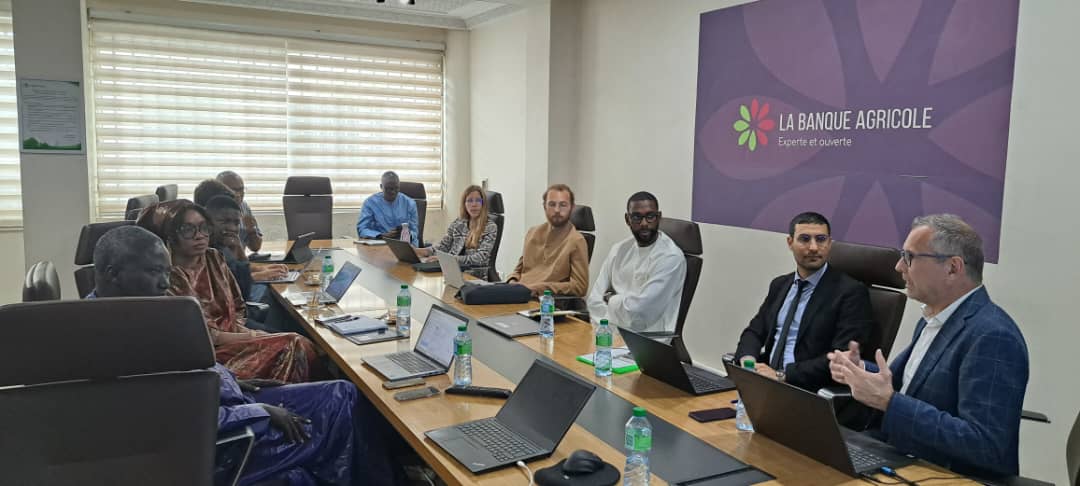
The discussions showed strong alignment among LBA, IFAD, the French Development Agency and the International Labour Organization. Development partners are supporting complementary areas such as green credit lines, financial inclusion, environmental and social safeguards, innovation and operational guidance.
Coordination is therefore essential. Harmonized criteria and clear roles can reduce duplication, help LBA manage multiple sources of external support and make it easier for producer-support organizations to prepare stronger financing applications. The mission also highlighted potential collaboration with agricultural management and agroecology networks that work directly with producers.
Nutrition as an emerging financing opportunity
Beyond credit processes and green finance, LBA expressed interest in the relationship between agriculture, nutrition and finance. Senegal has experience with biofortified cereals and sweet potatoes, creating opportunities to explore how agricultural finance can support value chains that improve both rural incomes and diets.
This perspective broadens the definition of impact. A well-designed agricultural investment can contribute simultaneously to productivity, resilience, employment, food security and nutrition. Future knowledge exchange can help financial institutions identify these connections and incorporate them into product design and portfolio monitoring.
Looking ahead
Proposed follow-up actions include:
- Assessing the contextual fit of digital decision-support tools and reconnecting them with LBA’s internal credit workflow.
- Developing agroecological and green-finance criteria that reflect local value chains and regulatory requirements.
- Strengthening environmental, social and climate-risk analysis.
- Training staff on digital tools, agroecological finance and impact measurement.
- Improving coordination among LBA, IFAD and technical and financial partners.
- Exploring finance for biofortified crops and other nutrition-sensitive value chains.
LBA also confirmed its interest in regional learning activities on agroecology. Peer exchange can help the bank learn from comparable institutions while contributing its own experience as Senegal’s leading public agricultural finance institution.
The mission established a shared direction: combine strong agricultural knowledge with better data, fit-for-purpose digital tools and clear sustainability criteria. This will help LBA serve producers more effectively and support Senegal’s transition towards a more resilient, inclusive and sustainable food system.