

Where Theory Meets Practice: Agroecology on the Ground in Rabat
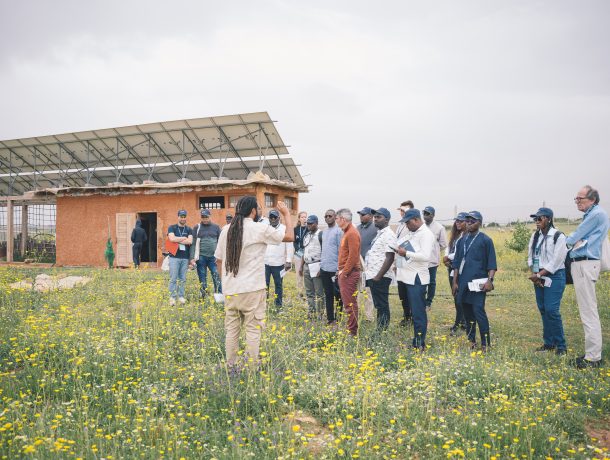
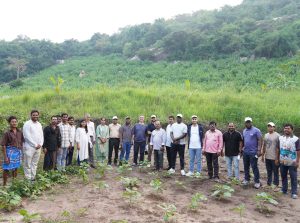
Bridging theory and practice, the second day in Rabat took participants into the field alongside Rachida Mehdioui, the president of RIAM (the Network of Agroecological Initiatives in Morocco), offering a first-hand look at how agroecology is implemented by farmers.
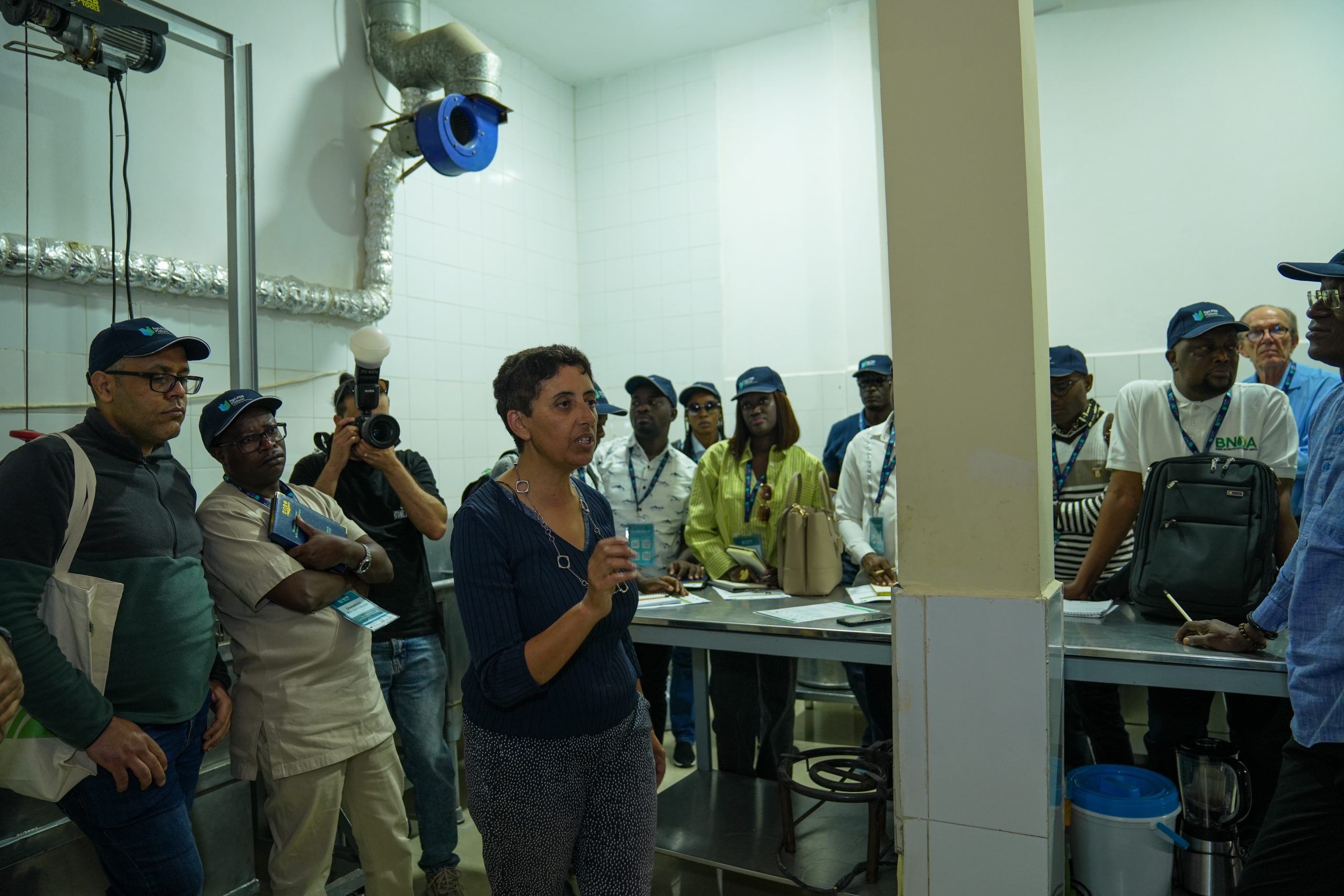
The delegation’s program began with a visit to the SME “Direct Ferme,” led by Meryama, where participants witnessed how an agri-processor can apply put agroecology into practice in its sourcing, product standards and production processes. Participants also learned about Direct Ferme’s value proposition of turning agroecologically produced ingredients into value added products and marketing them to premium market segments.
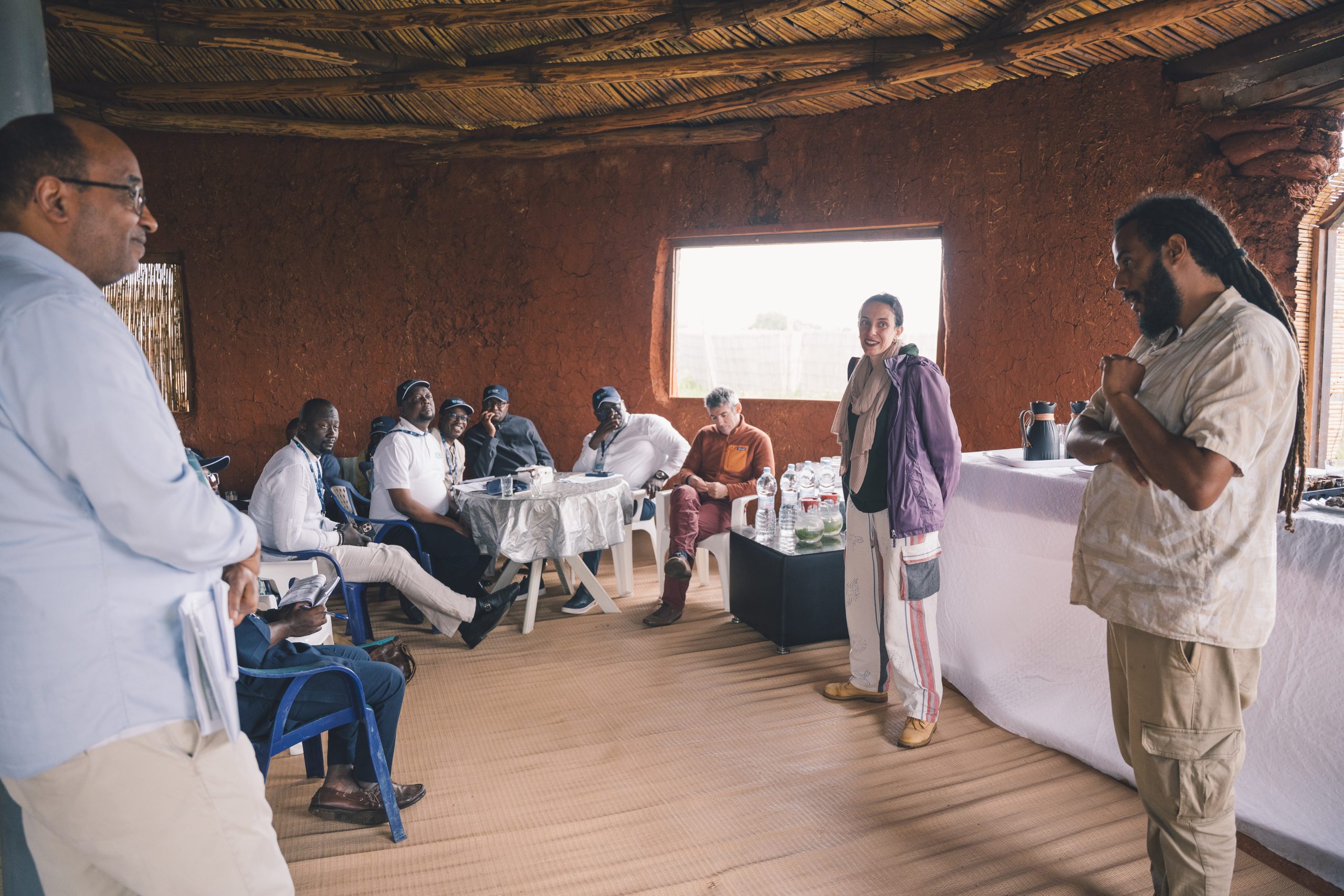
The visit then continued with a stop at the small-scale agroecological farm “Mama Ghaia”, where participants grew familiar with the process of conducting an agroecological assessment by drawing from the assessment framework of the Business Agroecology Criteria Tool (B-ACT) developed by the Biovision Foundation. Using the B-ACT in a real-world setting illustrated to participants how agroecology can be put into practice and how a farm’s decisions and actions can be documented and assessed through the lens of agroecology.
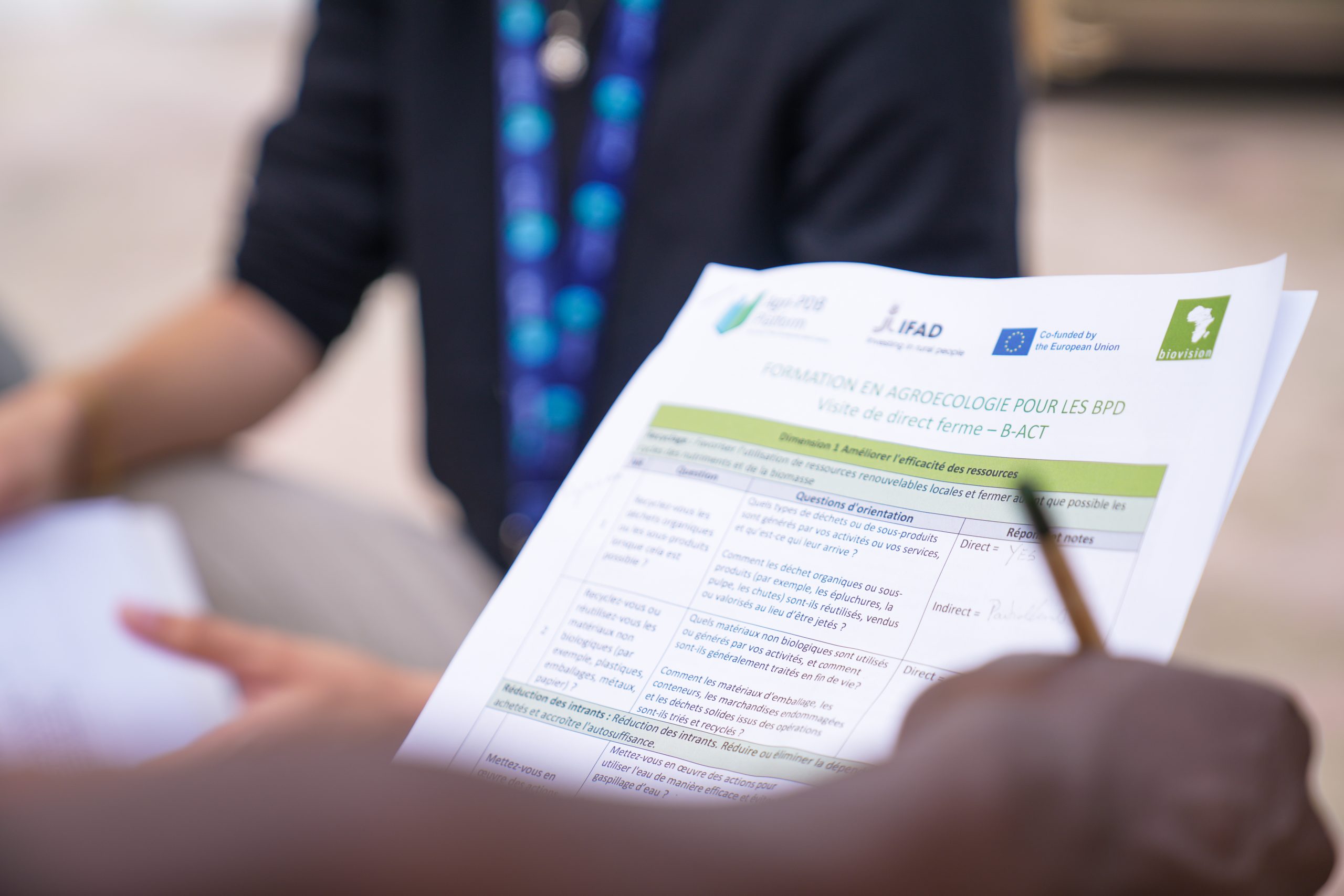
In the context of climate change, traditional agricultural credit assessment tools are no longer sufficient to ensure the long-term sustainability of investments. This is where the Business Agroecology Criteria Tool (B-ACT) becomes essential. Designed as a practical and internationally recognized assessment framework, B-ACT enables financial institutions, investors, and entrepreneurs to assess, document, and enhance the agroecological of agricultural portfolios and enterprises.
By evaluating alignment with the 13 principles of agroecology, B-ACT provides a comprehensive, holistic assessment of the environmental, social and economic dimensions of agri-food businesses, building upon standard financial performance analyses., Unique to the B-ACT, the tool also It helps identify whether business models or practices are consistent with agroecological principles, while also assessing the extent to which downstream agri-businesses are driving the adoption of sustainable and agroecological practices in their supply chains. In addition, a set of screening questions flag potential risks. For investors and donors, this means better identification of sustainable investment opportunities; for entrepreneurs, it offers a clear pathway to improve their practices and strengthen their impact.
The tool further enriches decision-making via a score dashboard with overall and disaggregated agroecology scores, mapping contributions to the SDGs, and generating tailored recommendations for improvement. In doing so, B-ACT equips stakeholders with the right questions and insights to better understand and support agroecological transitions—making it a powerful complement to traditional financial analysis and a key lever for scaling sustainable agriculture.
This experience underscored a critical message: financing the agriculture and food systems of tomorrow begins with the ability to evaluate it effectively today
Similar articles