

Advancing Agroecology: A First Day of Learning and Collaboration in Rabat
Advancing Agroecology: A First Day of Learning and Collaboration in Rabat
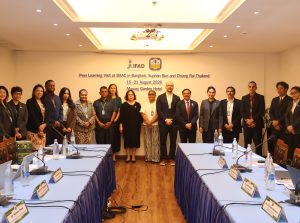
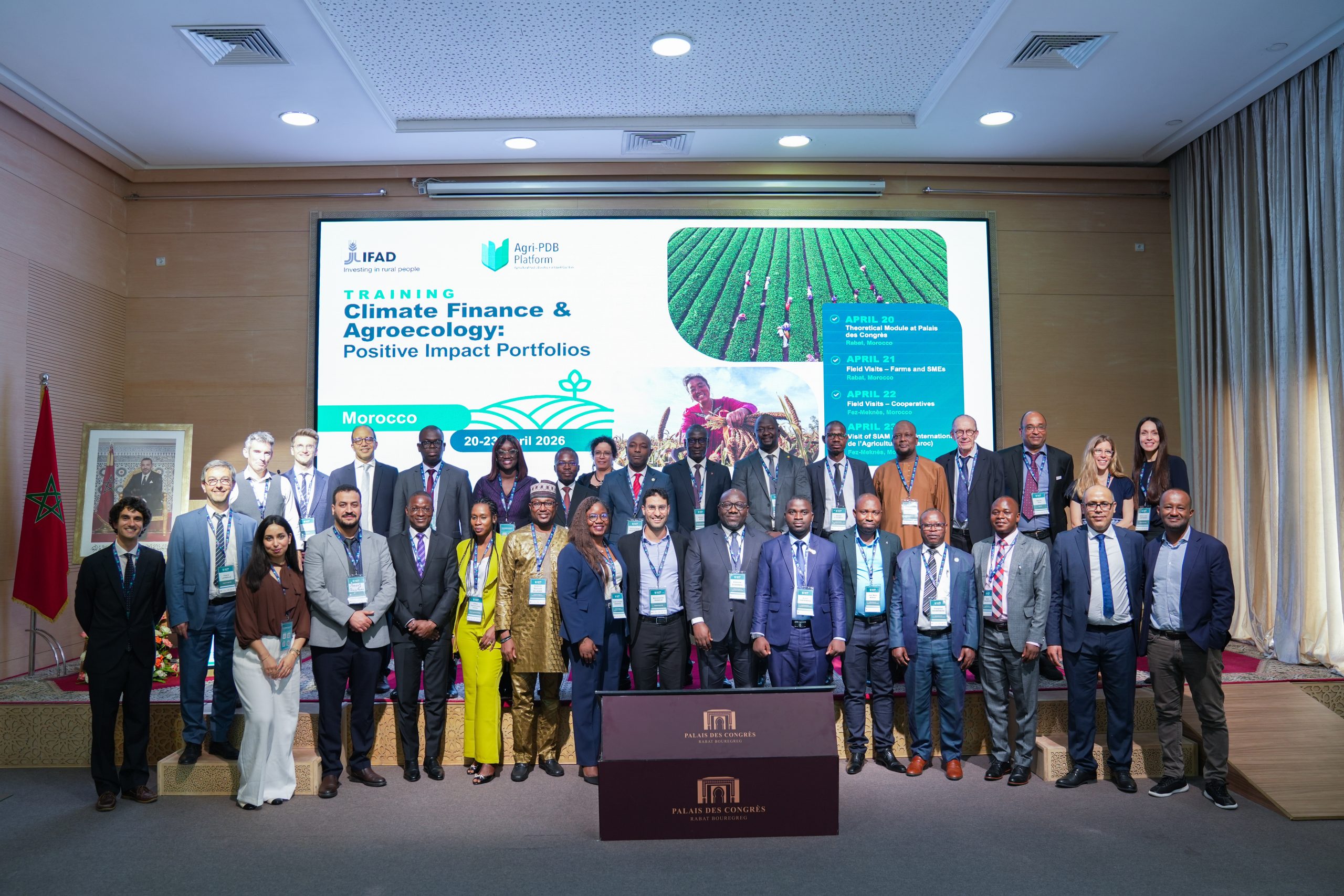
Straight from Rabat, we are pleased to share highlights from the opening day of the Agroecology Training hosted at the Palais des Congrès Bouregreg.
The event brought together Public Development Banks (PDBs) from Benin, Mali, Senegal, Burundi, Togo, and Morocco—marking a strong start to a collaborative learning journey focused on transforming agricultural systems.
Setting the Stage for Transformation
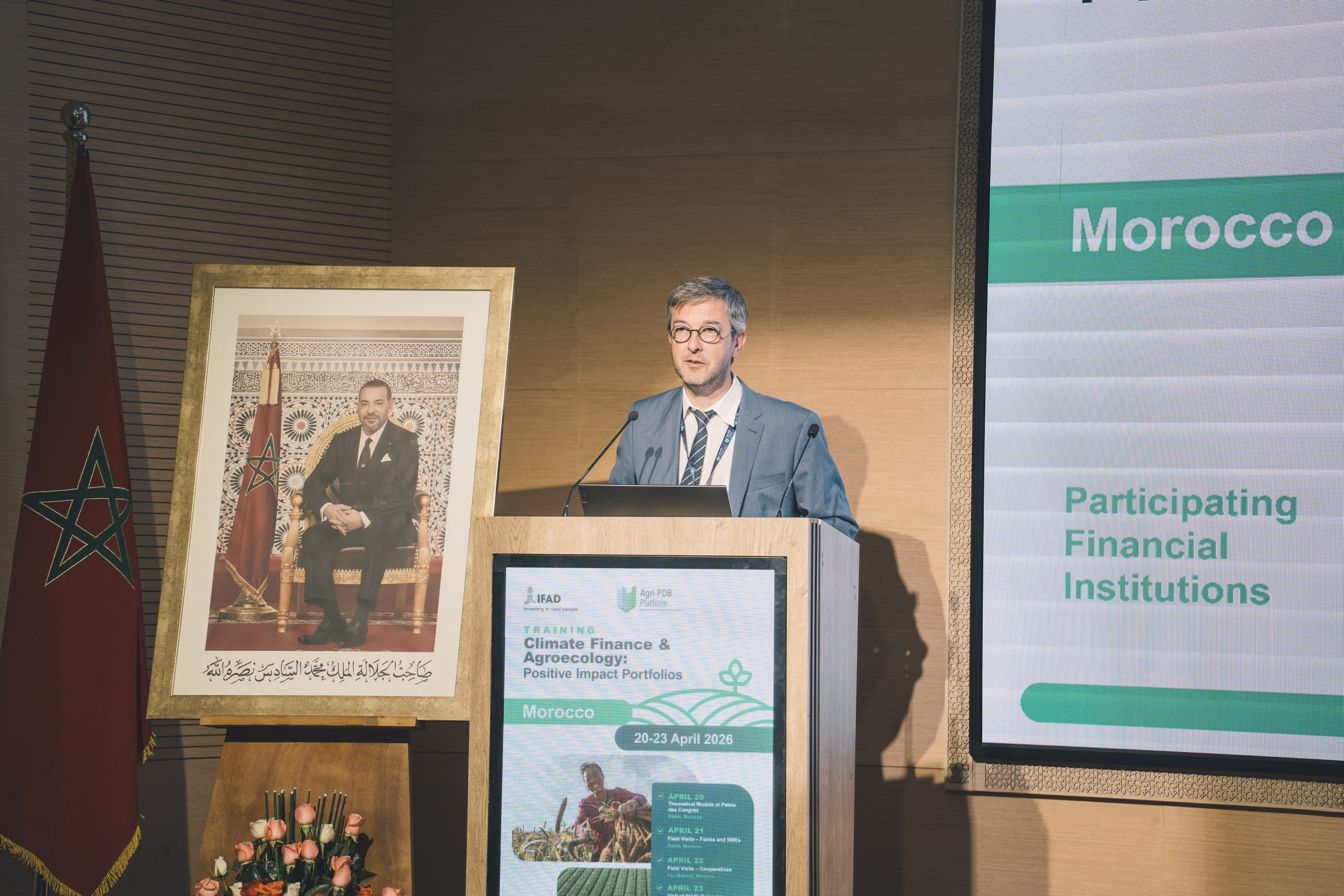
The day began with opening remarks from Thierry Latreille, who underscored the pivotal role that Public Development Banks (PDBs) play in advancing the agroecological transition across Africa.
He highlighted that this training represents more than just a learning opportunity—it marks a decisive shift from knowledge exchange to concrete action. By equipping PDBs with practical tools, the initiative aims to help institutions embed sustainability and resilience at the core of their financing strategies.
Throughout his remarks, participants were reminded that scaling agroecology requires a structured and strategic approach. This includes developing internal “green” frameworks aligned with national priorities, fostering strong engagement with governments and key stakeholders, and mobilizing the appropriate financial and technical partners.
He concluded with a clear call to action, encouraging participants to remain actively engaged—not only during the training, but beyond. By initiating dialogue, clearly expressing their financing needs, and leveraging partnerships, PDBs can play a leading role in turning agroecological ambition into tangible, lasting impact.
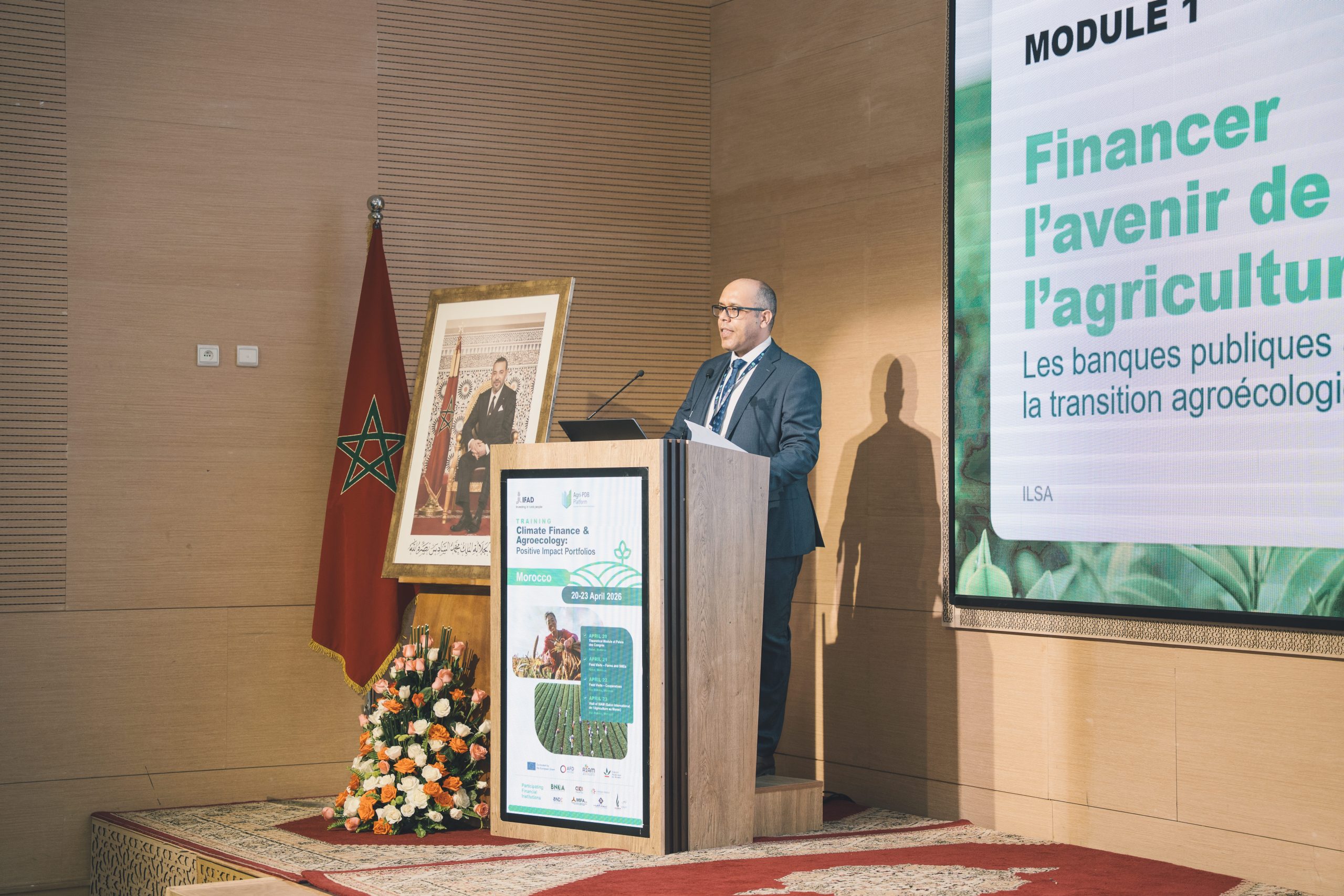
The first module, delivered by Amine Zarroug, highlighted the critical role of PDBs—particularly those dedicated to agriculture—in driving the transition toward sustainable, resilient, and inclusive food systems.
In many rural areas where private investment remains limited, these institutions play a vital role in bridging financing gaps. By supporting smallholder farmers and vulnerable sectors, PDBs help direct investments toward key public priorities such as climate action, food security, and rural development. At the same time, they promote agroecological practices while reducing financial risks.
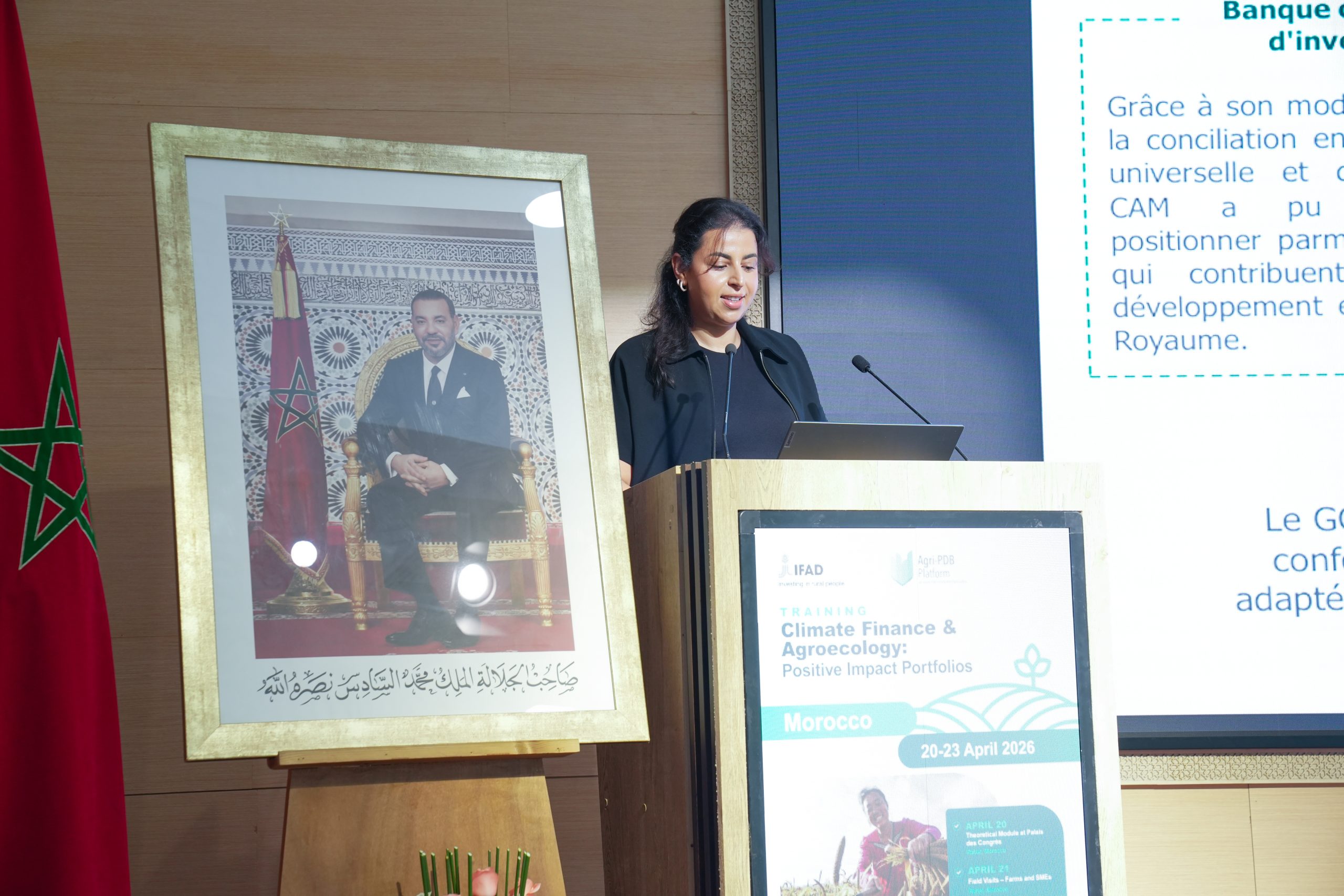
Sharing Practical Experience: The Case of CAM
Complementing the first module, Crédit Agricole du Maroc (CAM) shared its extensive experience with participating institutions, highlighting the evolution of its mandate over time, the main sources of financing for the agricultural sector, and the range of financial tools and products it has developed to support farmers, while also showcasing its growing contribution to climate action and the promotion of sustainable food systems.
Rethinking Food Systems: Why Agroecology Matters
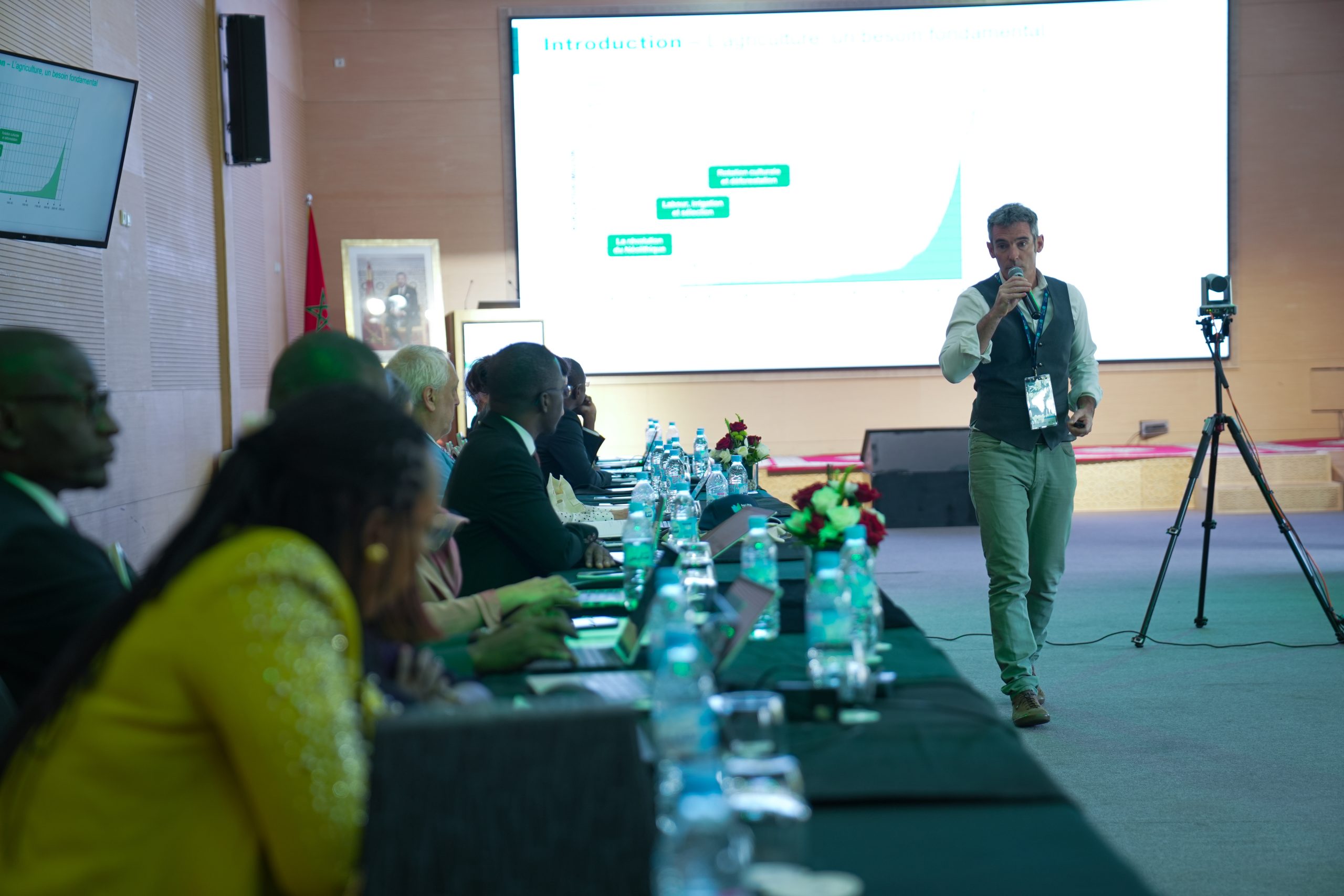
Following the coffee break, Jean-Christophe Duchier led the second module, offering a compelling diagnosis of today’s global food systems.
Despite productivity gains from the Green Revolution, hunger persists worldwide. At the same time, global food systems generate hidden costs exceeding $10 trillion annually—costs ultimately borne by communities and future generations. This reality underscores the urgent need for a new model.
Agroecology emerged as a central solution—not as an option, but as a necessity. It enables comparable yields while reducing production costs, preserving natural resources such as water, soil, and air, and strengthening social cohesion. Far from being a return to the past, agroecology represents a modern, systemic, and participatory response to 21st-century challenges.
For financial institutions, investing in agroecology is also a strategy for risk reduction. Long-term stability and resilience make it a sound and forward-looking investment—fully aligned with the mission of Public Development Banks.
Strengthening Decision-Making Through Agroecological Evaluation
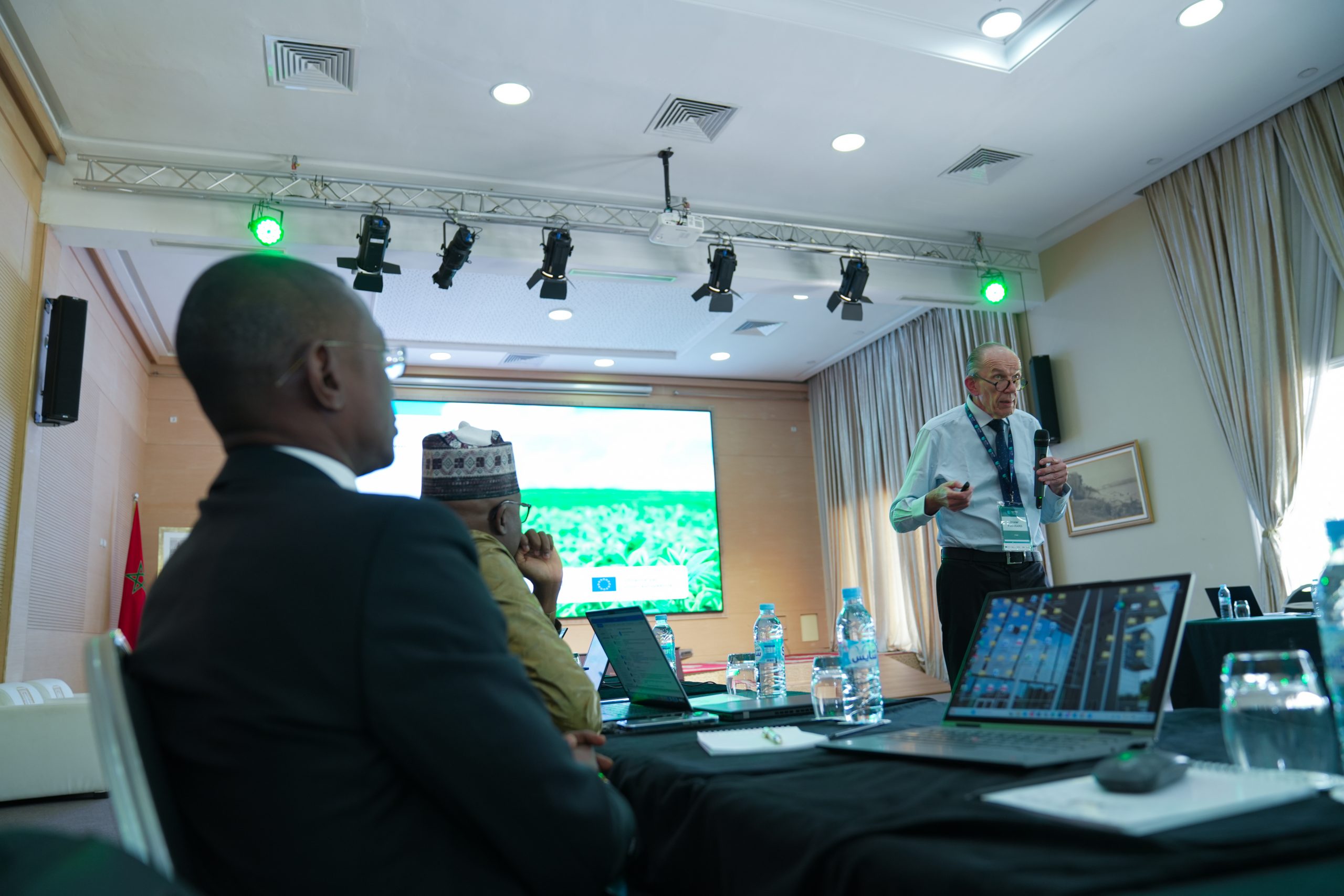
The final module, presented by Olivier Pierrard, focused on evaluating agroecological transitions to support better decision-making and sustainable financing.
A key message was clear: agroecology is not a constraint—it is a gateway to green finance. International financial institutions such as International Fund for Agricultural Development (IFAD), Agence Française de Développement (AFD), and the Green Climate Fund are increasingly directing resources toward sustainable and well-documented agricultural portfolios.
Public agricultural banks that can demonstrate alignment with agroecological principles will be best positioned to access these funding opportunities.
The session also emphasized that financing the agriculture of tomorrow begins with better evaluation today. Traditional credit assessment tools often overlook environmental and climate risks. By adopting internationally recognized frameworks such as TAPE (FAO) and B-ACT (Biovision), banks can:
- Better assess agroecological transitions
- Identify risks early in financing decisions
- Strengthen resilience and alignment with ESG standards
Ultimately, a resilient agricultural portfolio starts with robust evaluation. Projects that integrate agroecological practices—such as diversification, reduced chemical inputs, and soil conservation—demonstrate significantly greater resilience to climate shocks, input price volatility, and evolving regulatory requirements.
Similar articles