

Agri-PDB Platform at the APRACA Regional Policy Forum
The Agri-PDB Platform strengthened regional partnerships and presented its services at the APRACA Regional Policy Forum in Bangkok, building bridges between Asian-Pacific and African public development banks for more inclusive agricultural finance.
Agri-PDB Platform at the APRACA Regional Policy Forum
8-12 February | Bangkok, Thailand
Introduction
From 8 to 12 February 2026, Mohamed Ali Trabelsi, officer of the Agri-PDB Platform conducted a mission to Bangkok, Thailand, to participate in the Asia-Pacific Rural and Agricultural Credit Association (APRACA) Regional Policy Forum, hosted by the Bank for Agriculture and Agricultural Cooperatives (BAAC). The event opened with a celebration of the Chinese New Year in the presence of senior representatives from BAAC and the Agricultural Development Bank of China (ADBC), reflecting the deep spirit of regional cooperation that defines APRACA’s network.
The Regional Policy Forum centered on “Transforming Agriculture through Value Chain Development, Brand Building, and Cross-Border Trade.” It brought together representatives from financial institutions and international development partners across Asia and Africa, offering a timely platform to present the work of the Agri-PDB Platform and to deepen engagement with APRACA members on the role of public development banks in supporting agroecological value chains.
Technical Session 1: Leveraging Trade Policy and Export Standards to Position Thai Agricultural Products in Global Premium Markets
The first technical session explored national strategies for boosting the competitiveness of agricultural products in global markets. Voravit Muenthong from the Department of Foreign Trade, Ministry of Commerce Thailand, presented the country’s approach to export standards and quality assurance, with a particular focus on rice. Thailand has established a mandatory standard for Thai Hom Mali Rice to safeguard its unique identity and consistent quality, alongside voluntary standards covering fragrant, colored, white, brown, glutinous, and parboiled rice varieties.
Penrapee Thong-in from the Department of Agricultural Extension Thailand presented on the strategic use of Geographical Indications (GI) as a tool for rural development, set within the framework of the Thailand 20-Year National Strategy 2018–2037. The presentation highlighted the “Project to Promote and Develop Unique Local Agricultural Products,” which leverages GI certification to strengthen local value chains and enhance market recognition for region-specific products. These efforts were linked to community sustainability, rural livelihoods, and the United Nations Sustainable Development Goals (SDGs).
Technical Session 2: Financing Value Chain Development to Facilitate Cross-Border Trade
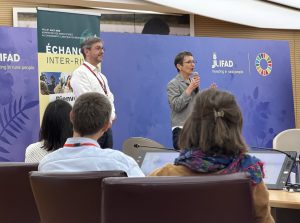
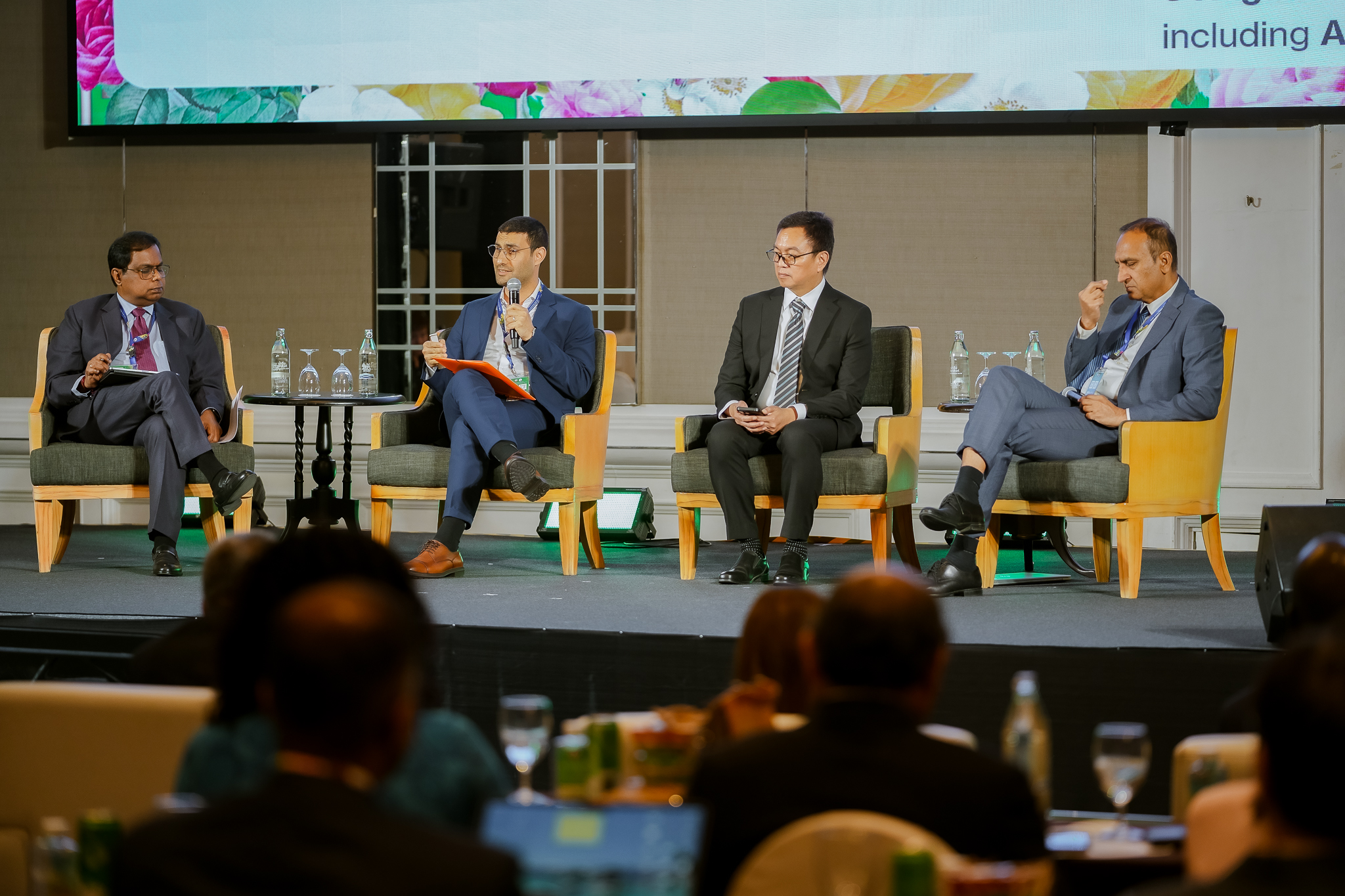
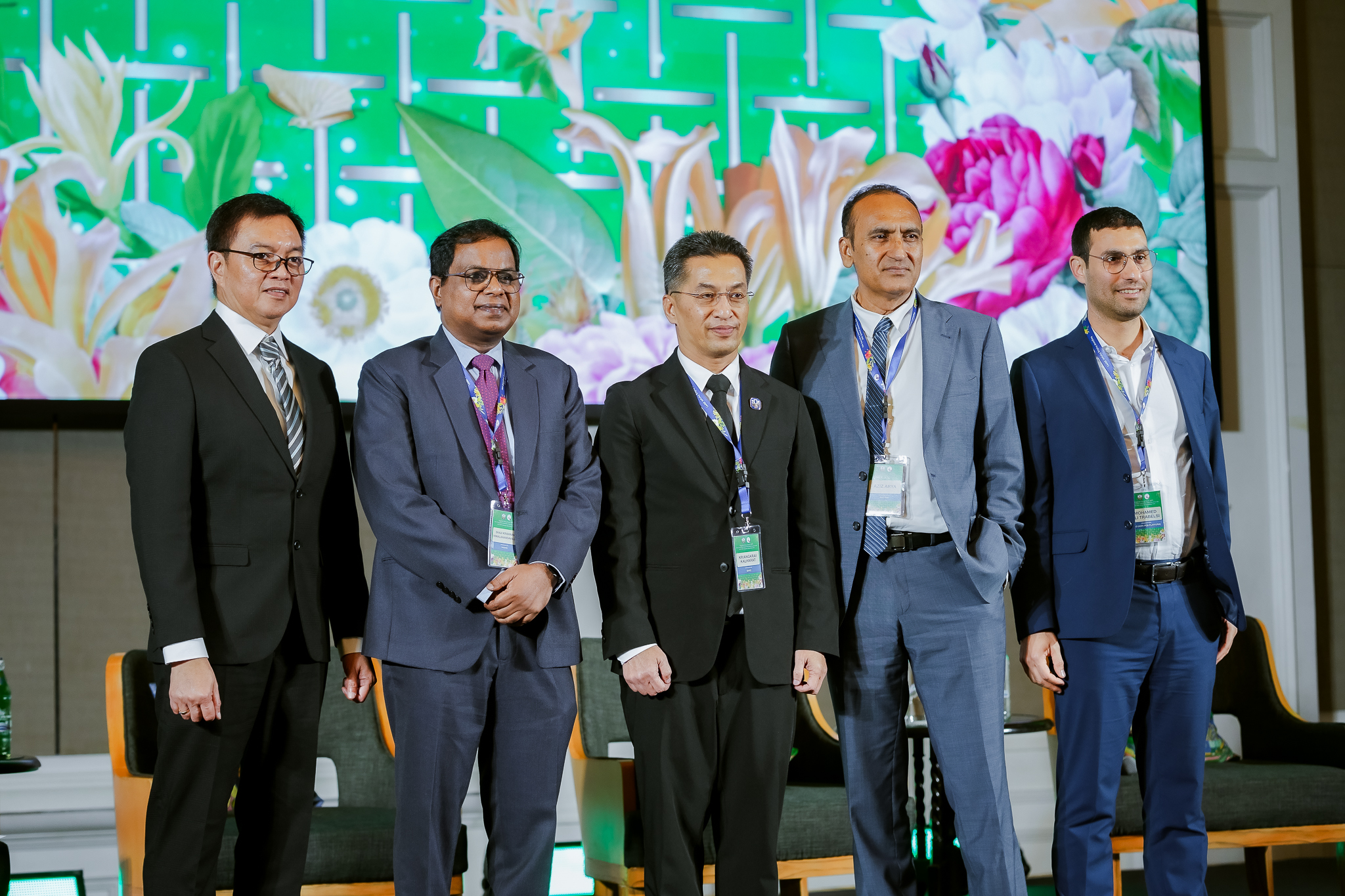
The Agri-PDB Platform participated as a speaker in Technical Session 2, moderated by Shaji K V, Chairman of the National Bank for Agriculture and Rural Development (NABARD). The session brought together representatives from major agricultural development finance institutions and international organizations to discuss innovative approaches to value chain finance.
The Agri-PDB Platform’s presentation, titled “Innovative Financing Instruments to Support Developing Agricultural Value Chains: Global Experience,” highlighted the role of public development banks in strengthening agricultural value chains and facilitating regional and cross-border agricultural trade. The presentation also spotlighted the Platform’s peer-learning and capacity-building activities — including working groups, webinars, and knowledge exchanges — designed to help PDBs design and implement value chain finance instruments. Particular attention was given to the Inclusive Financial Ecosystem for Food Systems Transformation initiative supported by IFAD, which aims to strengthen the capacity of national development banks to deliver effective financial services to small-scale farmers through innovative financial and non-financial solutions.
The session also featured presentations from Eden Japitana of Land Bank of the Philippines on risk mitigation strategies in value chain finance, Kao Thach of the Agriculture and Rural Development Bank Cambodia on value chain mapping, and Aziz Arya from the Food and Agriculture Organization of the United Nations on governance, innovation, and inclusion in rural finance. The session concluded with a lively Q&A discussion among participants.
79th Executive Committee & 24th General Assembly
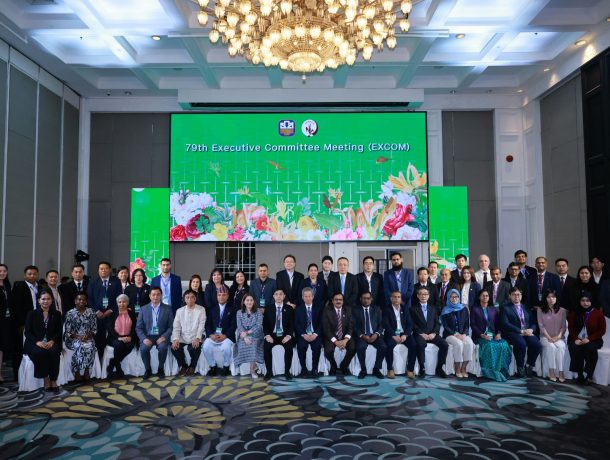
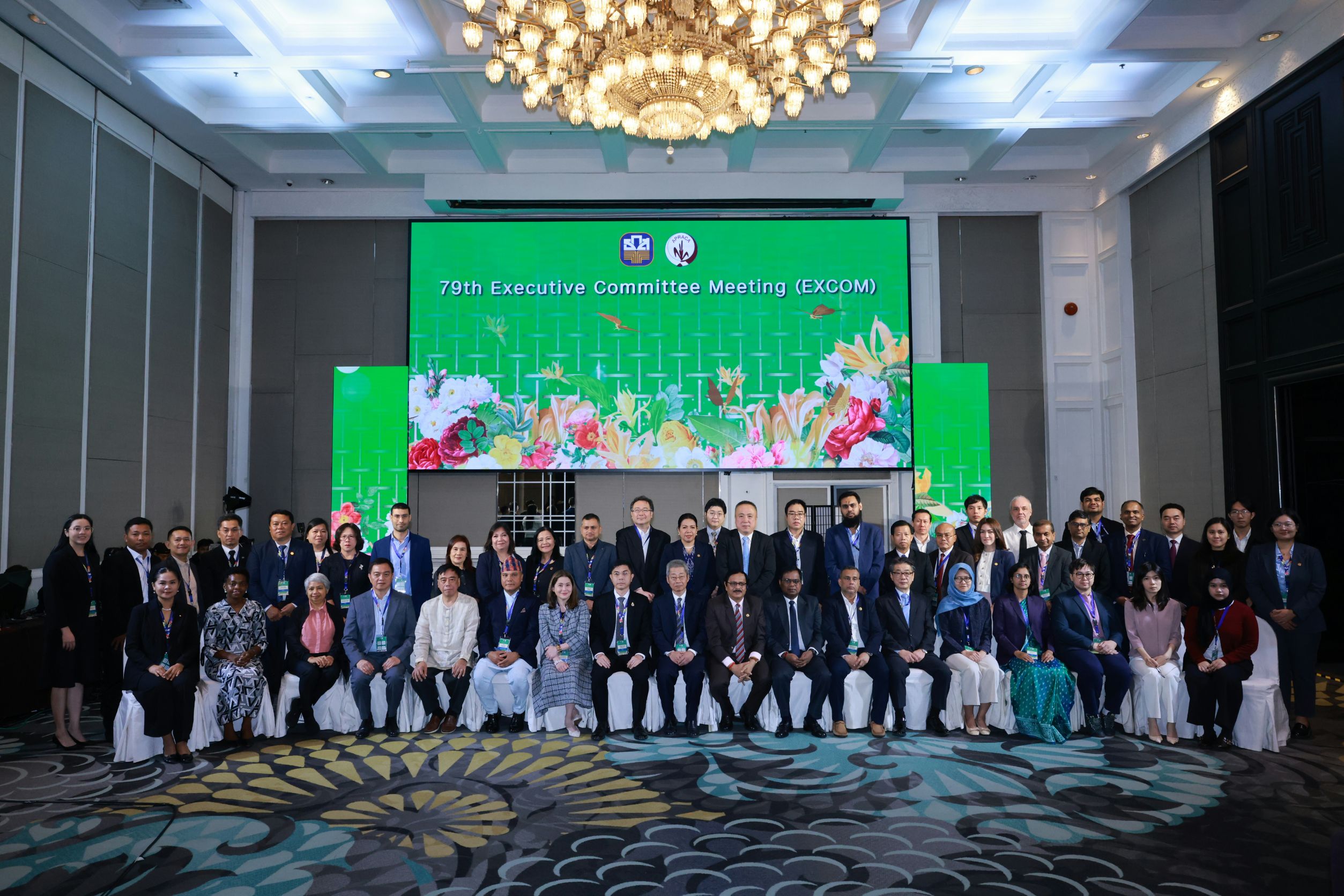
The Agri-PDB Platform participated as an observer in the 79th Executive Committee (EXCOM) meeting of APRACA, which reviewed institutional progress and strategic priorities, including the APRACA Strategic Plan 2025–2030. The meeting covered financial reporting, governance, and the APRACA Biennium Work Plan and Budget, providing a clear window into the association’s direction on strengthening financial inclusion and rural and agricultural finance across the Asia-Pacific region.
The afternoon session of the 24th General Assembly gathered member institutions, partners, and stakeholders to review APRACA’s recent achievements and set the strategic direction for 2026–2028. Discussions covered the APRACA Biennial Report (June 2023 – December 2025), new memberships, governance elections, and the Biennium Work Plan for 2026–2027. These sessions provided valuable insight into APRACA’s priorities, while offering an opportunity to identify areas for strengthened collaboration in agricultural finance.
Field Visit: Agroecological Farming in Practice
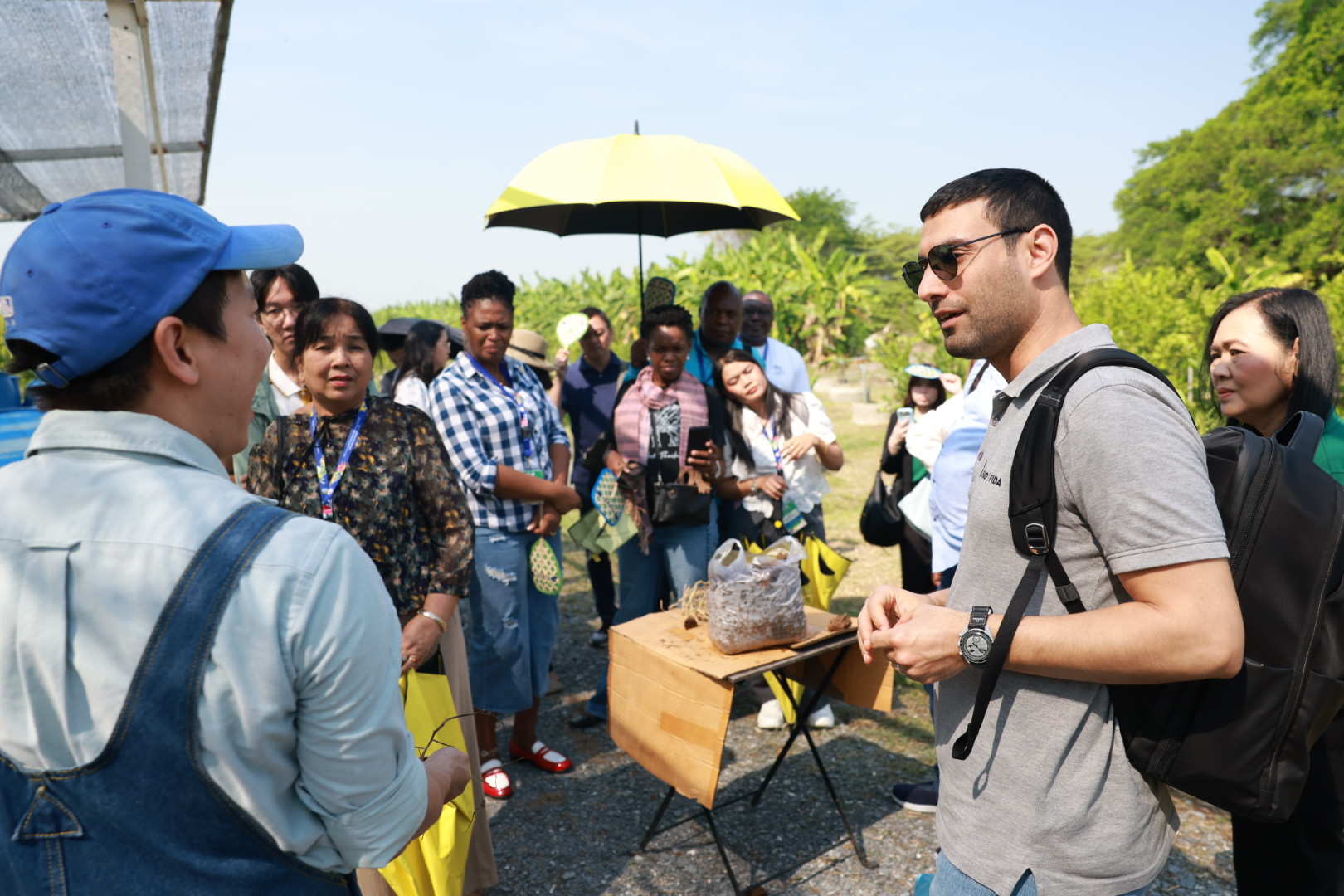
Complementing the forum discussions, participants were invited on a field visit to Lemon Me Farm in Nakhon Pathom Province, an integrated agricultural enterprise specializing in lemon and lime cultivation and the development of value-added agricultural products. The visit offered a practical example of how integrated farming systems can combine agricultural production, on-farm processing, experiential tourism, and community learning.
The farm demonstrated good agroecological practices — including soil management, diversified crop integration, and environmentally sustainable production — aimed at improving both resilience and productivity. A key learning was the family-based farm management model, in which household members engage in diverse roles spanning cultivation, processing, marketing, and visitor hosting. This model illustrates how small and medium family farms can diversify their activities, enhance economic sustainability, and create platforms for broader community knowledge sharing.

Conclusion
The mission to Bangkok provided a valuable opportunity to reinforce the Agri-PDB Platform’s presence in the Asia-Pacific region, strengthen ties with APRACA and its member institutions, and contribute to regional discussions on innovative financing for sustainable agricultural value chains.
Similar articles