

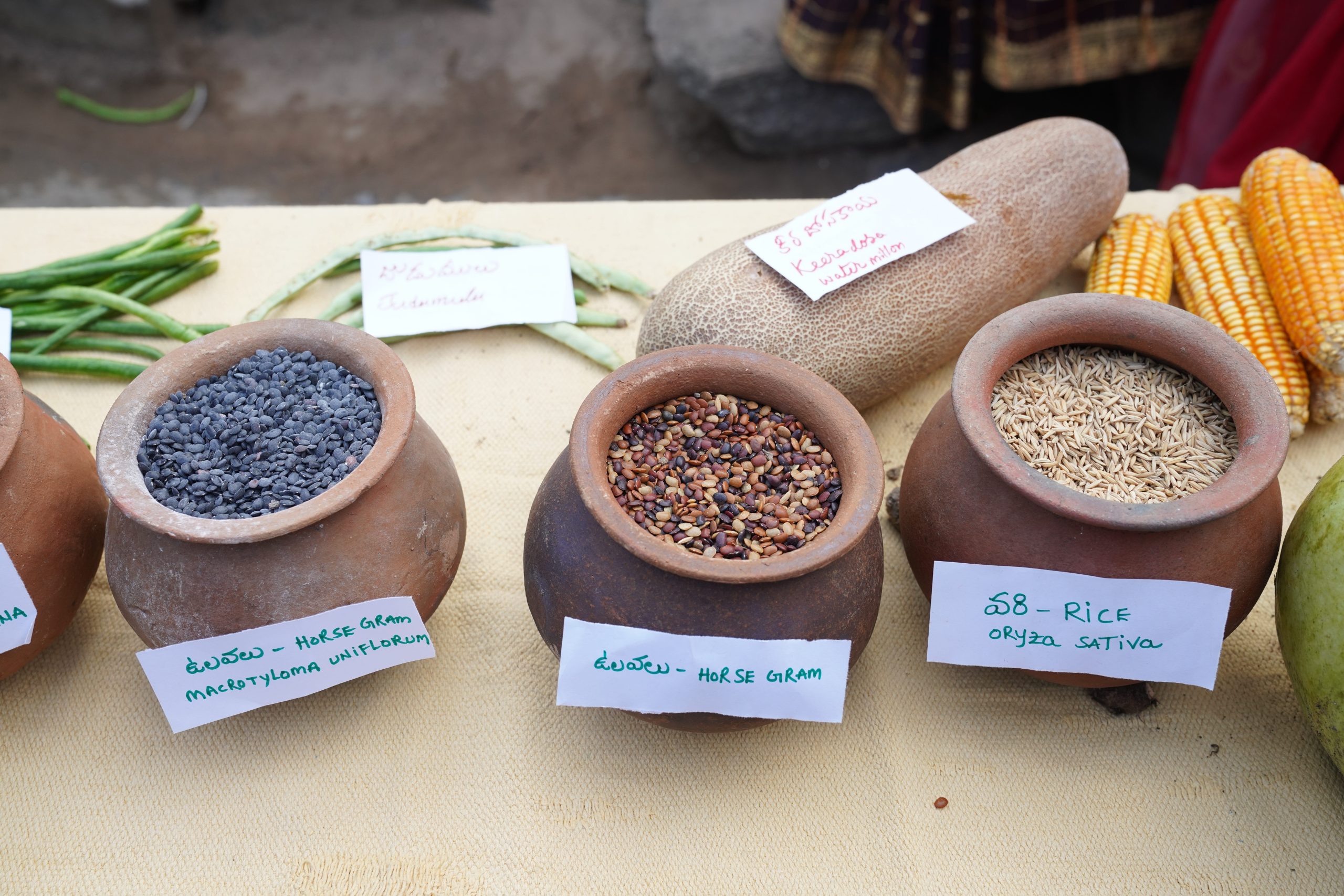
Agroecology, as defined by the Food and Agriculture Organization of the United Nations (FAO), aims to optimize interactions between plants, animals, humans, and the environment to advance the transition to sustainable and socially equitable agriculture and food systems. It contrasts with intensive monoculture farming and seeks to address the challenges faced by agriculture today. The Green Revolution of the 1960s is often cited as a precursor to the emergence of agroecology, which focuses on sustainable and resilient farming practices in response to climate change and food security challenges.
The history of Agricultural Public Development Banks (APDBs) is closely linked to the Green Revolution and the development of intensive monoculture farming. This production model required considerable investment from farmers, who needed to purchase improved seeds, fertilizers, plant protection products, and agricultural machinery as part of a technological package.
Intensive farming models, based on monoculture and the use of chemical inputs, represent a high level of risk for public agricultural banks. These practices can increase the vulnerability of farmers, particularly smallholders.
Why agroecology matters for PDBs
Public Development Banks (PDBs) play a key role in enabling agroecological transitions by mobilizing finance, knowledge, and partnerships.
- Providing tailored financial products: Developing loans and financing instruments adapted to the longer-term investments required for agroecological transitions.
- Supporting investment in sustainable agriculture: Facilitating farmers’ access to finance for adopting agroecological practices and improving farm resilience.
- Delivering technical assistance: Providing advisory services and expertise to help farmers implement agroecological approaches.
- Strengthening capacity and knowledge: Supporting training, extension services, and knowledge-sharing on sustainable agricultural practices.
- Building partnerships and enabling environments: Collaborating with research institutions, producer organizations, and development partners to support agroecological transitions.
Platform in Action
-
14-15 December 20231st Working group on Agroecology: How committed are agri-PDBs to agroecology?
-
05-06 June 20242nd Working Group on Agroecology: Integrating agroecology into the operations of Agriculture PDBs
-
June & July 2024Missions to BNDA Mali and MAIIC Malawi to advance agroecological practices
-
06 February 20253rd Working Group on Agroecology: Facilitating the Agroecological Transition: The Role of Financial Tools and Public Development Banks
-
17 October 2025Agroecology Donor Convening: Exploring the potential of Public Development Banks in Agroecological Transitions
-
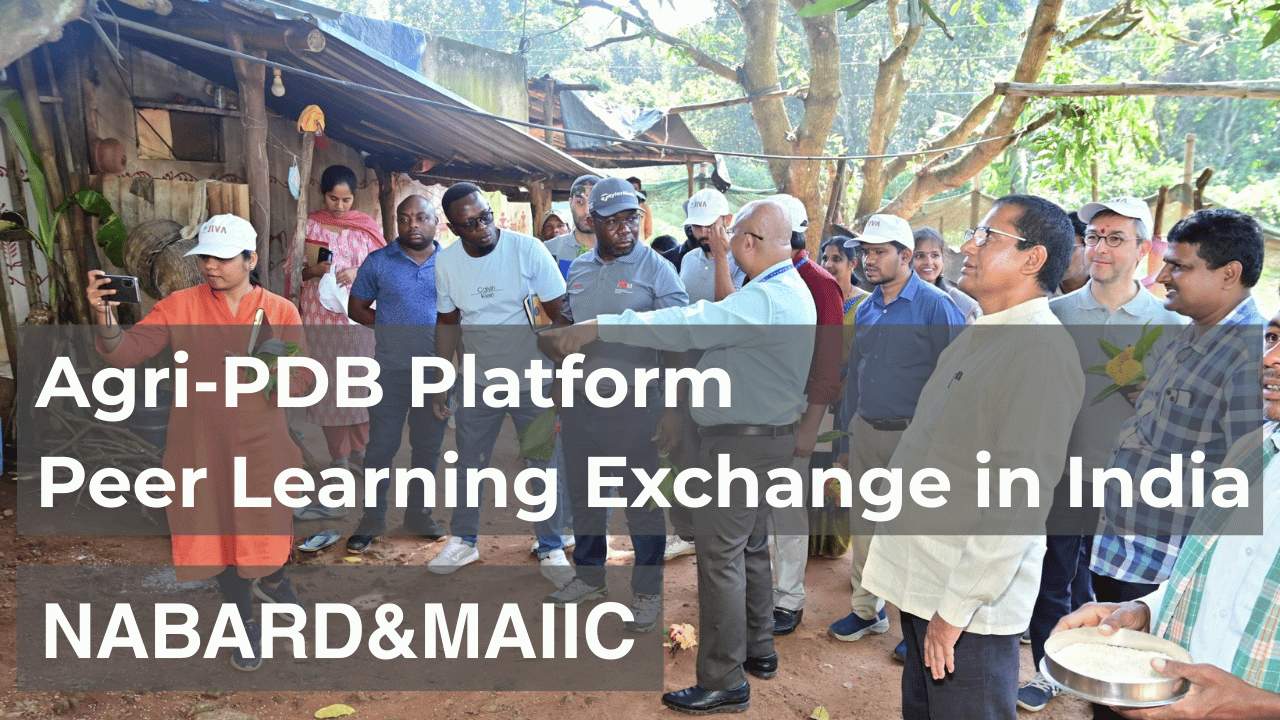
3-7 November 2025Peer-to-peer exchange: Learning from NABARD’s Agroecological and Rural Development Practices in India : NABARD & MAIIC
-
27 November 2025Webinar: Bridging Voices: Farmers’ Perspectives and Public Development Banks’ Pathways to Financing Agroecology
-
05 February 2026Webinar: Monthly Talks on Agroecology - The Role of Public Development Banks in Supporting Agroecological Transition
-
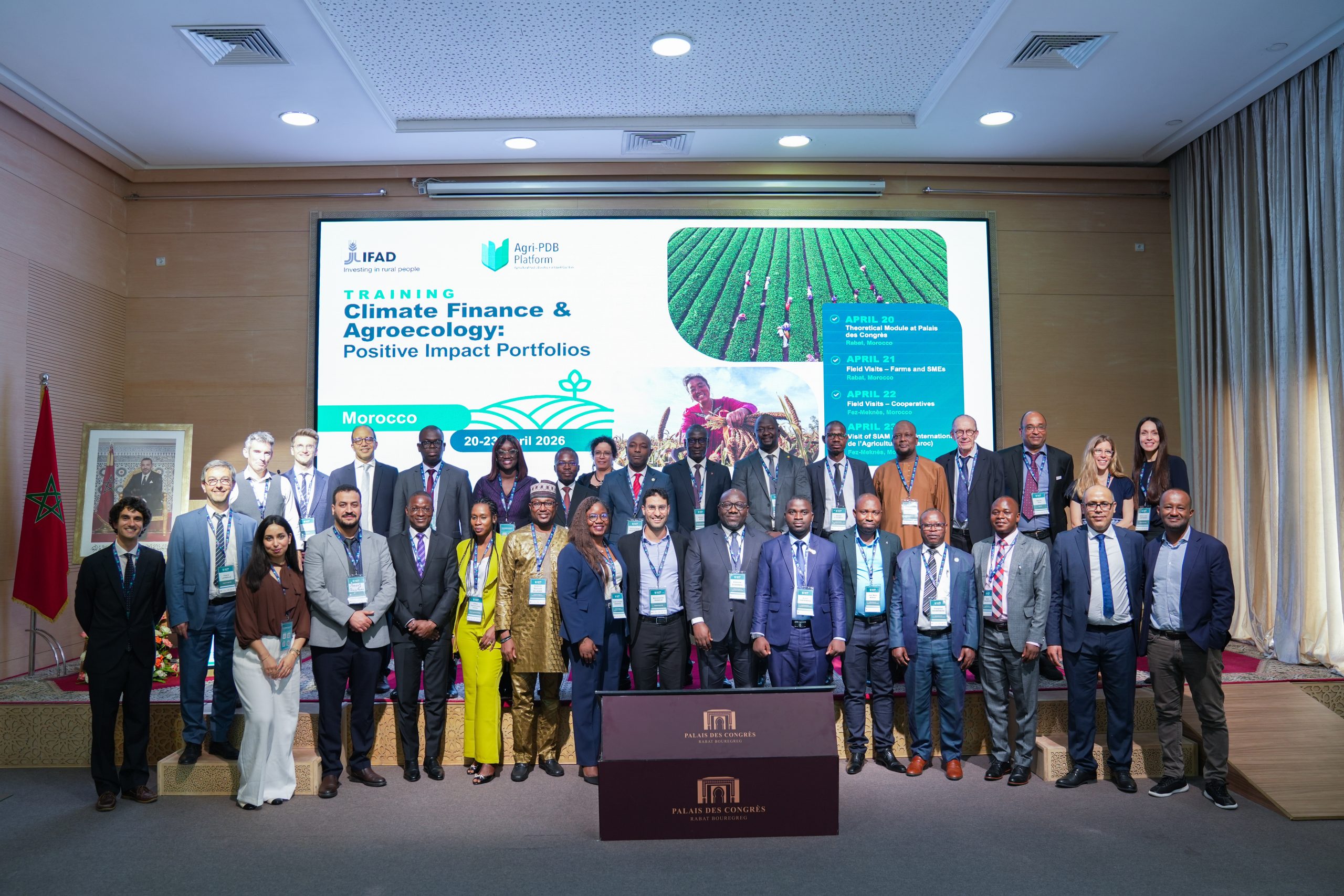
20-23 April 2026Training: Climate Finance and Agroecology: Positive Impact Portfolios (Morocco)
Capacity Building and Tools
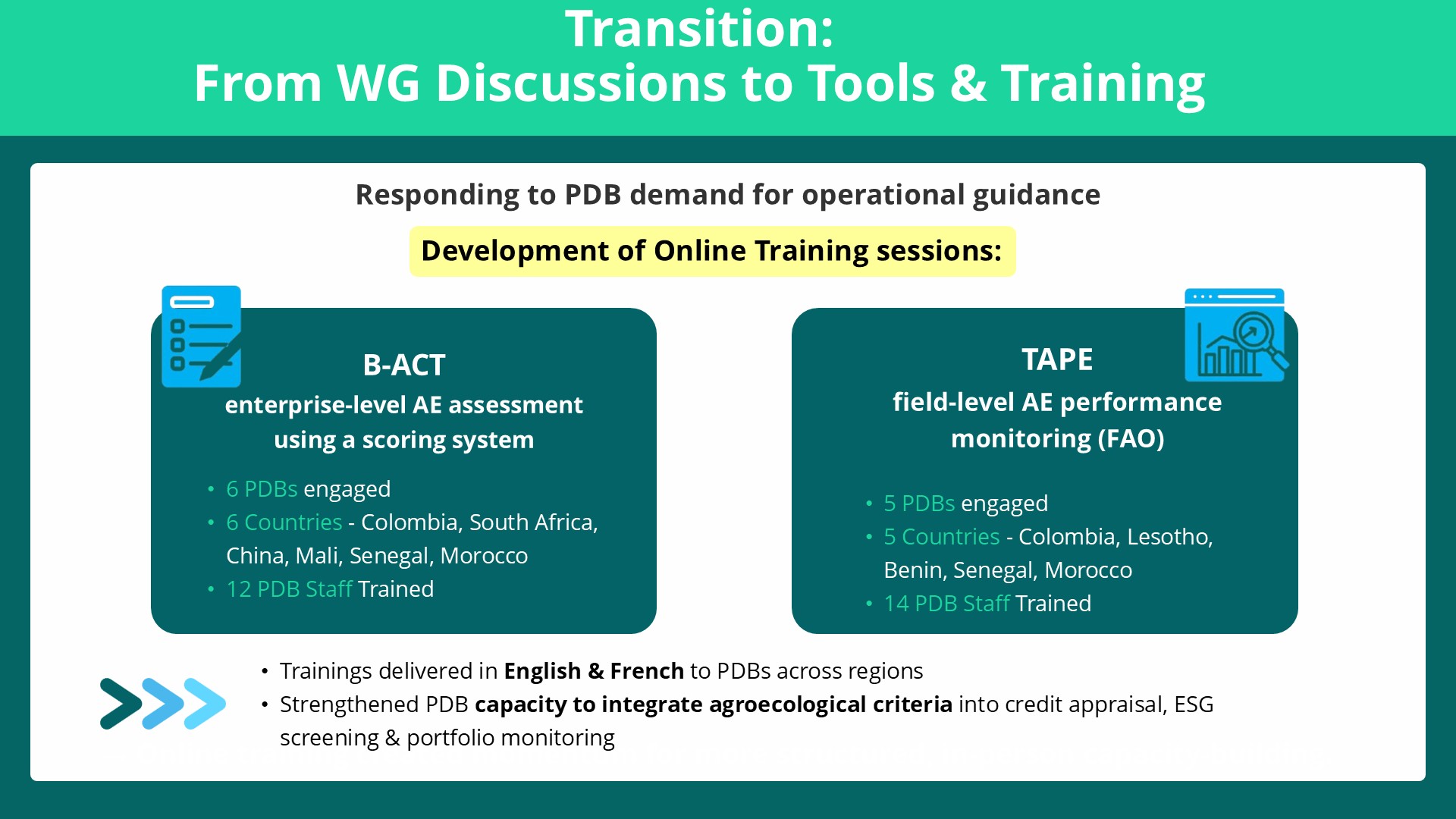
Business Agroecology Criteria Tool (B-ACT) – developed by Biovision
- A tool for assessing agricultural value-chain businesses and measuring an enterprise’s alignment with the 13 principles of agroecology and its potential impact on local food systems.
- Instead of pass/fail evaluations, B-ACT uses percentage scores to highlight strengths and areas for improvement.
- The tool is flexible and can be tailored to users’ needs.
Tool for Agroecology Performance Evaluation (TAPE) – developed by FAO
- A comprehensive tool designed to measure the multidimensional performance of agroecological systems across sustainability dimensions.
- It applies a stepwise approach at the household or farm level while also generating results at the community and territorial levels.
- The tool is designed to remain simple and requires minimal training and data.
Peer-to-peer exchange on Agroecological Practices
NABARD India & MAIIC Malawi
Training in Morocco
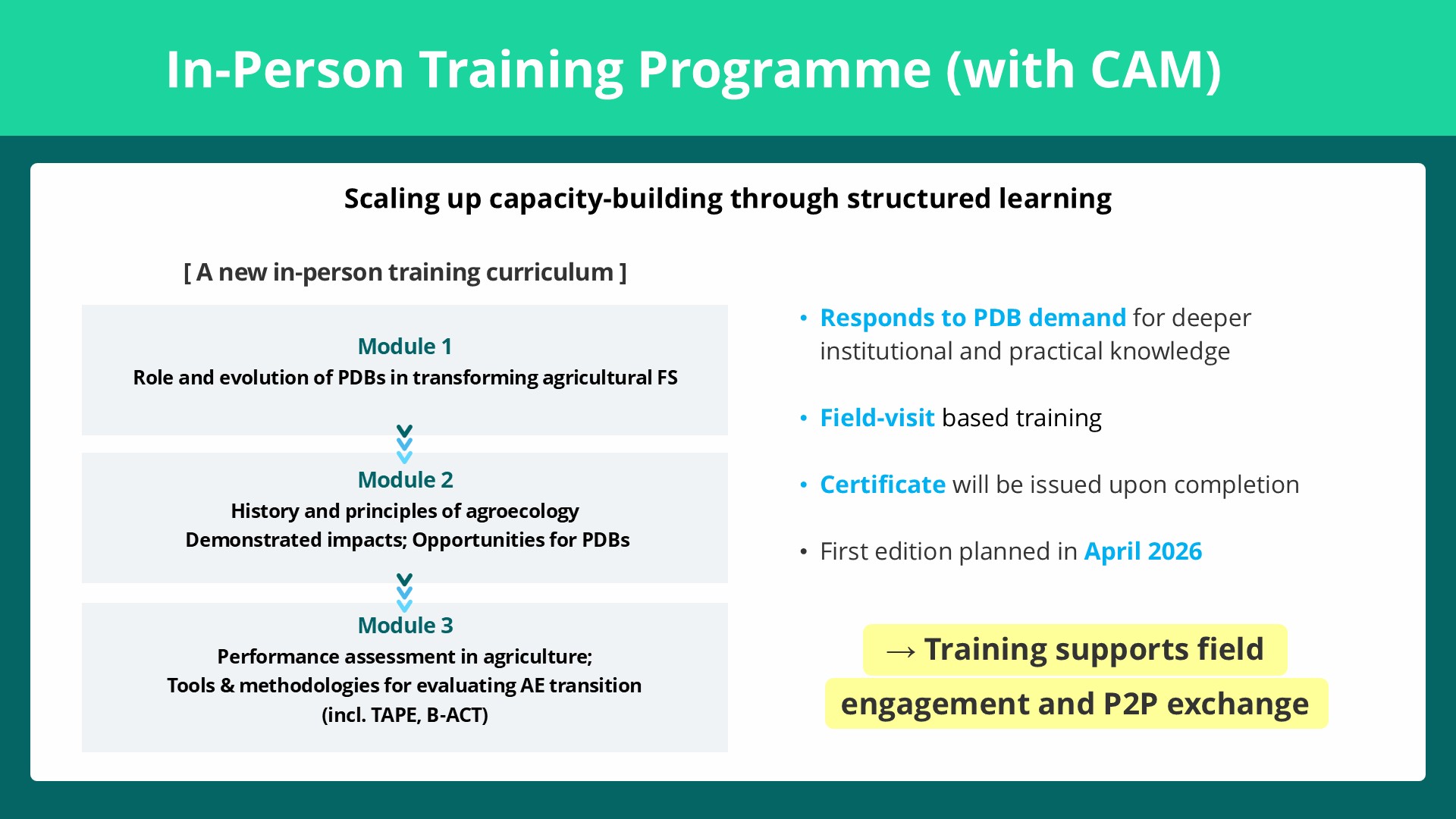
The Agri-PDB Platform organized an in-person training in Morocco, from 20 to 23 April 2026. Financed by the European Union and co-organized by the International Fund for Agricultural Development (IFAD) and the Agence Française de Développement (AFD), with the support of the Network of Agroecological Initiatives in Morocco (RIAM), the training brought together participating financial institutions: Banque Nationale de Développement Agricole (BNDA) Mali, Banque Nationale pour le Développement Économique (BNDE) Burundi, Crédit Agricole du Maroc (CAM) Morocco, Caisse des Dépôts et Consignations du Bénin (CDC Bénin), La Banque Agricole (LBA) Senegal, and Mécanisme Incitatif de Financement Agricole S.A. (MIFA S.A.) Togo.
This four-day programme combines classroom learning on agroecology and climate finance with field visits to local farms, SME, and agricultural exhibitions, offering participants a unique opportunity to bridge theory and practice through direct engagement with farmers, practitioners, and rural institutions.
Next steps
In April 2026, the Agri-PDB Platform will move forward with in-person training in Tanzania and MOOC courses. Stay tuned for more updates and upcoming learning opportunities!